
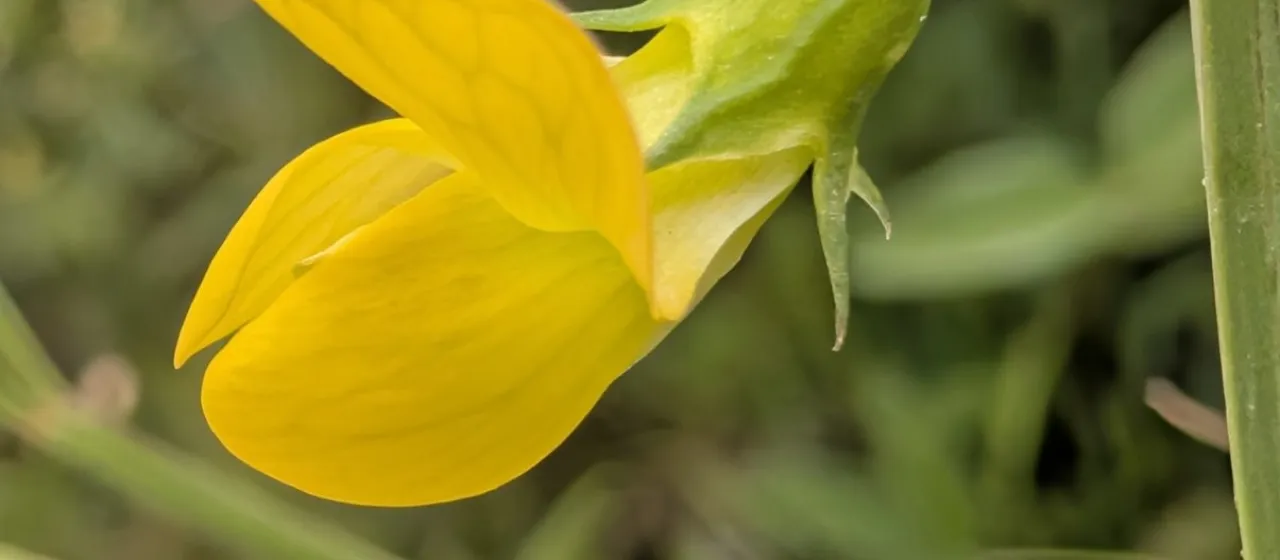
Description
Annual vetchling (Lathyrus annuus) is an important agricultural crop belonging to the Fabaceae family. As an annual legume, it is recognized for its agronomic versatility and high nutritional value. It is cultivated primarily in regions with Mediterranean-type climates, where it serves as a vital source of protein for livestock and an effective tool for sustainable soil management through nitrogen fixation.
The plant is native to the Mediterranean region and Western Asia. Throughout history, it has been adapted to a variety of semi-arid environments. Today, its cultivation spans across Southern Europe, North Africa, and parts of the Americas and Oceania, where farmers value its ability to thrive in conditions where other leguminous crops might fail due to limited water availability or poor soil fertility.
Botanically, Lathyrus annuus features branching stems that can grow up to 80 cm in height, equipped with tendrils that allow it to climb and support its canopy. The foliage consists of pinnate leaves, and the plant produces distinct, vibrant yellow to orange flowers in loose racemes. The fruits are elongated pods, which protect the seeds until full maturity, usually occurring in late spring or early summer.
Agricultural requirements focus on providing well-drained, neutral to slightly alkaline soils with good exposure to sunlight. While it shows remarkable drought tolerance, adequate moisture during the vegetative stage is essential for maximizing biomass production. The crop generally does not require high nitrogen fertilization, as it maintains a symbiotic relationship with specific strains of rhizobia bacteria.
Key хозяйственное application areas include:
- Livestock feed: harvested as green fodder, hay, or silage.
- Protein concentrate: seeds are utilized as a nutritional component in poultry and swine diets.
- Green manure: plowed back into the soil to improve structure and organic nitrogen content.
- Sustainable cropping systems: used in rotation to break pest cycles and enhance soil health.
Regarding health management, the crop is susceptible to common legume pathogens such as powdery mildew, rust, and various root rot diseases in poorly drained fields. Pests like aphids and seed weevils can also cause significant damage if left unmanaged. Integrated pest management (IPM) strategies, including crop rotation and the selection of certified, clean seed, are critical for maintaining healthy and productive stands.