
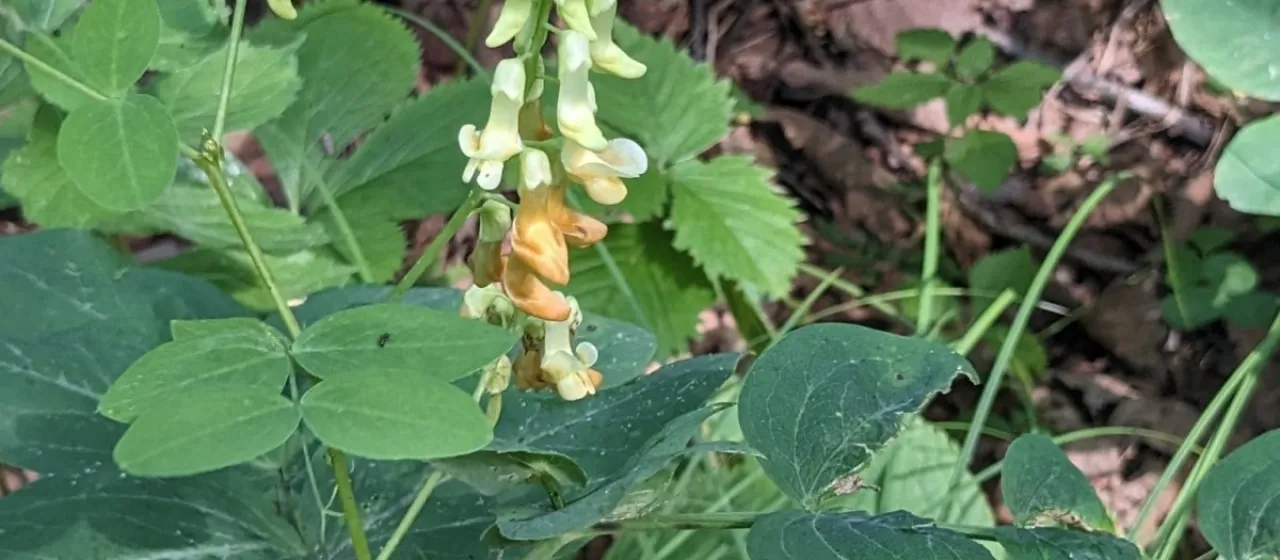
Description
Lathyrus davidii, commonly known as David's pea, is a perennial herbaceous plant belonging to the Fabaceae family. As a climbing legume, it is characterized by vigorous growth, utilizing tendrils on its leaves to ascend surrounding vegetation. Its robust nature makes it a significant species within the broader context of leguminous forage plants.
This species is native to the temperate regions of East Asia, primarily originating from the Far East, Korea, and Northeast China. It is typically found in forest margins and shaded habitats, which dictates its preference for temperate climates that are not subjected to extreme, prolonged heat or arid conditions.
The botanical structure of Lathyrus davidii consists of pinnate leaves terminating in tendrils and distinctive yellowish flowers arranged in racemes. It develops a substantial root system, which not only provides structural stability but also plays a vital role in nitrogen fixation within the soil profile, enhancing overall soil fertility over time.
Cultivation requirements involve providing deep, well-drained soil rich in organic matter. While the plant is quite hardy, it thrives best in environments where moisture levels are consistent throughout the growing season. In an agricultural setting, support structures such as trellises or companion crops are necessary to prevent lodging and maintain optimal airflow.
- High protein content in forage biomass.
- Strong perennial growth habits.
- Symbiotic nitrogen fixation capabilities.
- Adaptability to cool and temperate zones.
Its primary agricultural use is as a nutritional source for livestock, often incorporated into forage mixtures. Typical pests include aphids, which may cluster on tender shoots, and various fungal pathogens such as root rot, which are often exacerbated by poor drainage. Proper crop rotation and field sanitation are recommended to manage these risks effectively.