
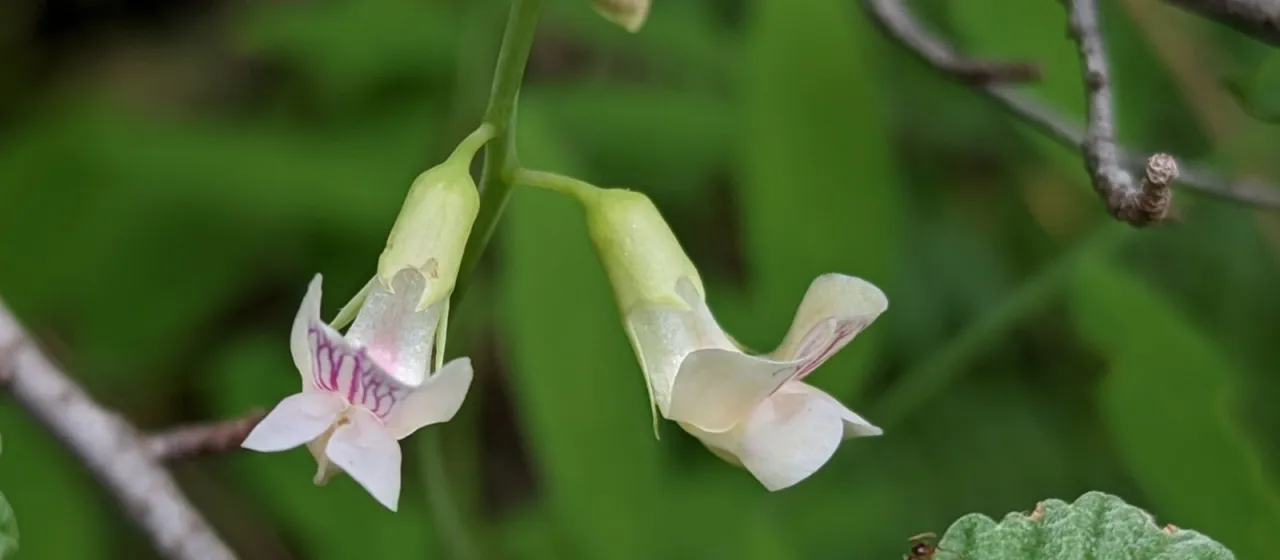
Description
Del Norte peavine (Lathyrus delnorticus) is a perennial herbaceous plant belonging to the legume family, Fabaceae. It is a geographically restricted species, endemic to the northwestern coastal regions of California and adjacent parts of Oregon, USA. While not currently recognized as a major commercial crop, its biological characteristics make it a subject of interest for specialized agricultural study and botanical conservation efforts.
Botanically, Lathyrus delnorticus is a climbing or trailing herb distinguished by its pinnate leaves that terminate in tendrils, allowing it to vine over surrounding vegetation. The plant typically reaches heights of up to 60 centimeters. Its inflorescences consist of racemes of creamy-yellow or pale green flowers, which differ significantly from the more vibrant colors found in other common Lathyrus species. The root system is relatively extensive, providing stability in the forest soil where it natively grows.
The climatic requirements of this species reflect its origin in humid, coastal woodland environments. It favors moderate temperatures, avoiding extreme heat or dry conditions. The plant thrives in well-drained, humus-rich forest soils. In an agricultural or garden setting, providing a stable moisture environment is essential, as the species is adapted to the consistent, though not waterlogged, dampness of its natural habitat.
Agrotechnical management requires a focus on soil quality and site selection. As a legume, it performs best in soils with beneficial microbial activity, including rhizobial symbiosis. Growers should focus on minimizing soil compaction and ensuring adequate organic matter content. During the establishment phase, weeding is critical, as the species may be outcompeted by more aggressive invasive weeds common in agricultural zones.
Regarding хозяйственное usage, Lathyrus delnorticus is primarily studied for its potential in crop diversification and ecological restoration. Like many legumes, it is susceptible to typical pests and diseases including various species of aphids and fungal pathogens such as powdery mildew or root rot. Sustainable management involves integrated pest control and maintaining proper ventilation to prevent excessive humidity buildup, which can trigger fungal outbreaks.