
Description
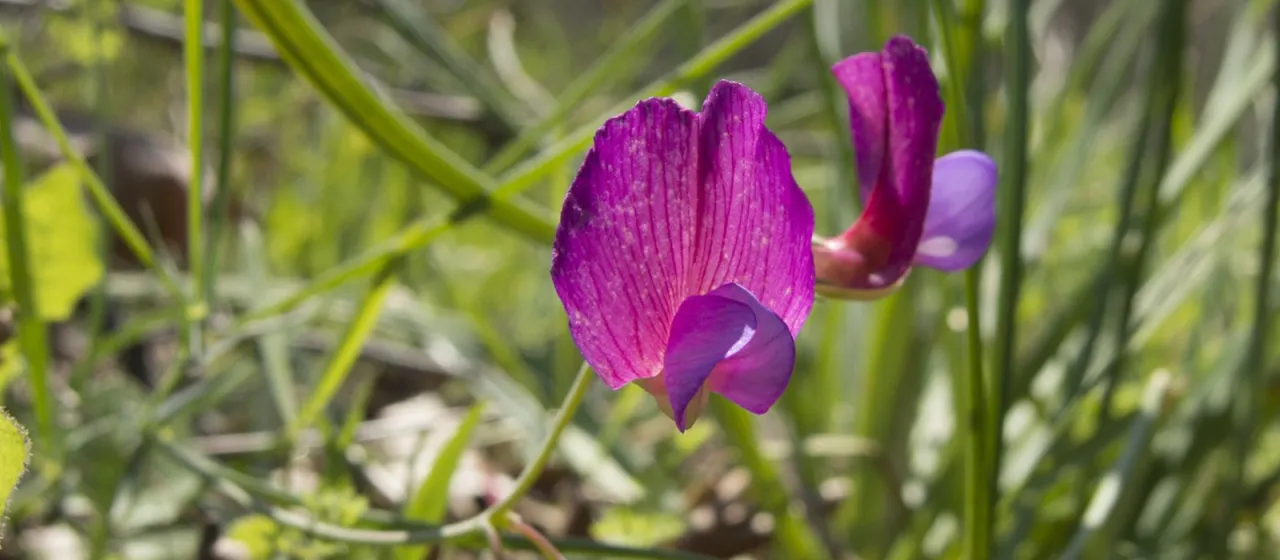
Lathyrus digitatus, commonly known in botanical contexts by its Latin name, is a perennial herbaceous plant belonging to the Fabaceae family. It is characterized by its distinctive leaf structure, where leaflets are arranged in a palmate fashion, a feature that distinguishes it from other species within the genus Lathyrus.
This species originates from the Mediterranean basin and parts of Western Asia. It typically thrives in rocky, well-drained habitats and is highly adapted to semi-arid environments. The plant's natural distribution is limited to areas where environmental conditions favor drought-tolerant perennial species, allowing it to form stable populations in rugged terrain.
Botanically, the plant is equipped with a deep taproot system, which allows it to thrive in nutrient-poor or dry soils. The stems are generally upright, supporting palmate leaves and classic papilionaceous flowers. The fruit consists of legumes containing seeds that are rich in proteins and essential amino acids, making the plant biologically robust and evolutionarily successful.
Cultivation requires specific conditions to ensure high yields. It prefers sandy or loamy soils with excellent drainage and a neutral to alkaline pH level. Agronomic management should focus on avoiding waterlogged conditions, which are detrimental to the root health of the species. Proper seedbed preparation and early-stage weed control are essential for establishing a healthy crop.
The agricultural use of this plant is primarily focused on forage production and soil improvement. As a legume, it performs symbiotic nitrogen fixation, which significantly increases soil nitrogen content, providing a natural fertilizer for subsequent crops in a rotation. It is an excellent choice for sustainable farming practices aiming to reduce synthetic fertilizer dependency.
- Excellent drought resistance.
- High nutritional profile for forage.
- Natural nitrogen-fixing properties.
- Potential for use in erosion control on slopes.
- Adaptable to alkaline soil conditions.