
Description
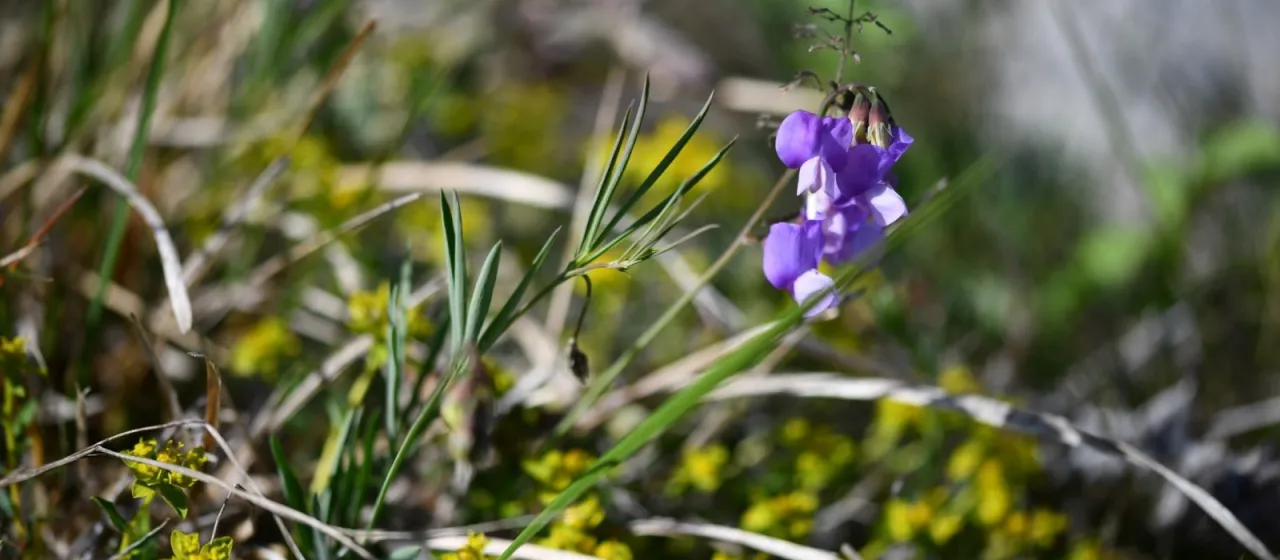
The filiform vetchling (Lathyrus filiformis) is a perennial herbaceous plant belonging to the legume family (Fabaceae). While not as widely commercialized as some of its relatives, it serves as a robust genetic resource and a valuable component of grassland ecosystems, recognized for its specific adaptation to particular environmental niches.
The origin of this species is tied to the steppe and forest-steppe zones of Eurasia. It is naturally adapted to regions with distinct seasonality and moderate precipitation. This evolutionary background makes the plant a highly resilient candidate for environments where traditional leguminous crops might struggle due to limited water resources or thin soil layers.
Botanically, the plant is characterized by slender, filiform stems that exhibit climbing behavior due to leaf tendrils. The leaves are compound, typical of the genus, and the flowers provide an aesthetic and biological focus during the blooming period. Its ability to form deep root systems allows it to stabilize soil and contribute to the overall resilience of the plant community.
Regarding agronomic management, Lathyrus filiformis thrives in well-drained, neutral, or slightly alkaline soils. It is remarkably efficient in atmospheric nitrogen fixation, reducing the need for synthetic fertilizers. In a production setting, growers should focus on maintaining optimal plant density to minimize competition with aggressive weeds, especially during the initial establishment phase.
The main agricultural utility is found in its potential as a high-quality forage crop, providing essential proteins for livestock. However, like many legumes, it is subject to pressure from specific pests such as weevils and fungal pathogens like powdery mildew. Regular monitoring of the crop canopy and adherence to crop rotation principles are essential for sustainable management of this species.
- High-protein content for livestock forage.
- Strong drought and cold tolerance.
- Natural soil enrichment via nitrogen fixation.
- Suitability for erosion control on slopes.