
Description
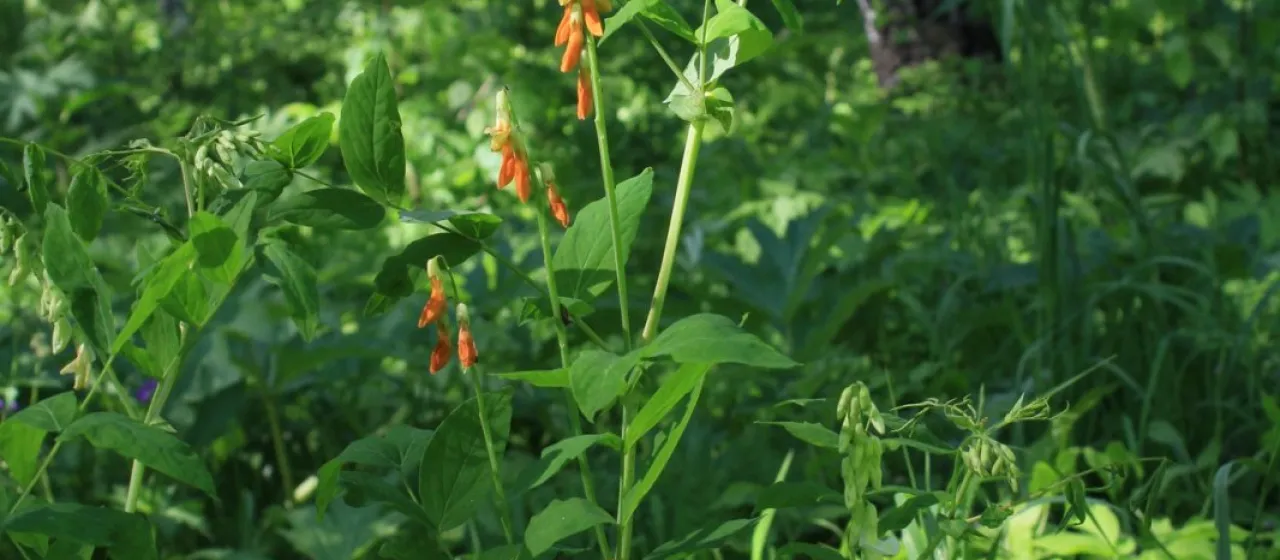
Gmelin's vetchling (Lathyrus gmelinii) is a robust perennial herbaceous plant belonging to the Fabaceae family. Known for its adaptability and significant biomass production, it serves as a valuable forage crop, particularly in regions with challenging climates where common fodder plants may struggle to establish.
The plant originates from the forest and forest-steppe zones of Siberia and East Asia. In its natural habitat, it thrives on forest edges and moist meadows. This native ecological niche has provided the species with a high level of resilience to varying light levels and a strong competitive ability against other meadow vegetation.
Botanically, Gmelin's vetchling is characterized by a strong, deep root system and sturdy stems that can grow up to 120 cm in height. Its pinnate leaves and vibrant yellow-orange flowers are distinct traits that aid in identification. The plant's architecture allows it to develop a dense, productive stand that is highly favorable for mechanical harvesting.
Agricultural success with this crop depends on selecting fertile, well-drained loamy soils. While it is hardy and capable of surviving harsh winters, it responds best to consistent moisture during the growing season. Management practices should focus on weed control in the establishment year, as the plant prioritizes root development during its first season of growth.
The primary use of Gmelin's vetchling is in animal husbandry. It is prized for its high protein content and palatability, making it an excellent component for hay, silage, or direct pasture grazing. Beyond its direct nutritional value, it acts as a nitrogen-fixing agent, which helps improve soil fertility and reduces the need for synthetic fertilizers in cropping systems.
- Rich source of essential amino acids for livestock.
- Excellent winter hardiness and frost tolerance.
- Long-term productivity of established stands.
- Enhances soil structure through nitrogen fixation.
- Suitable for various forage preservation methods.