
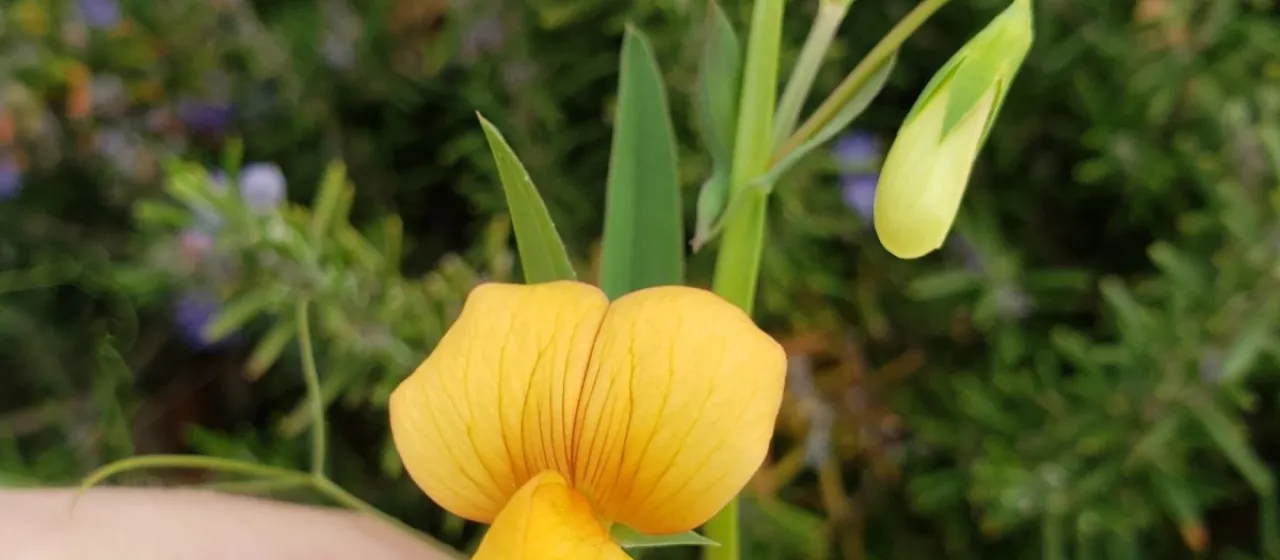
Description
Gorgon vetch (Lathyrus gorgoni) is an annual herbaceous plant belonging to the family Fabaceae. While it remains a niche species within the vast Lathyrus genus, it serves as a valuable genetic resource and a potential forage crop, particularly noted for its hardiness in Mediterranean-type climates.
The species originated in the Mediterranean basin and the Near East. It typically thrives in regions characterized by winter rainfall and dry summers. In its native habitats, it is found in open grasslands, field margins, and scrublands, demonstrating a high degree of resilience to fluctuating water availability throughout the growing season.
Botanically, Lathyrus gorgoni is identified by its climbing habit, supported by tendrils extending from the tips of its pinnate leaves. The flowers exhibit the characteristic papilionaceous shape, typically displaying purplish hues. After pollination, the plant produces elongated, flattened pods containing seeds that are biologically comparable to other vetch varieties, serving both as a reproductive tool and a nutrient store.
Optimal cultivation requires well-drained, fertile soil, though the plant is capable of surviving in poorer, rocky substrates. It prefers temperate conditions and is sensitive to frost in its early growth stages. Agronomic management involves timely sowing in early spring, which allows the plant to establish a robust root system before the onset of summer drought, thus maximizing vegetative output.
Agricultural usage of Gorgon vetch is primarily focused on green manure and forage production. As a legume, it contributes to soil health through biological nitrogen fixation, reducing the need for chemical fertilizers in subsequent rotations. Pest management is centered on typical legume pests, such as aphids and bruchid beetles, which can be controlled through integrated pest management practices and proper crop rotation strategies.