
Description
Lanszwert's peavine (Lathyrus lanszwertii) is a perennial herbaceous species belonging to the Fabaceae family. As a wild-growing legume, it is of scientific interest for its resilience and ability to thrive in harsh environments, serving as a biological model for developing hardier forage crops.
The species is native to western North America, primarily inhabiting mountainous regions and meadows. Its natural distribution spans from lower elevations to high-altitude subalpine zones, proving that the plant has evolved to tolerate short growing seasons, cold winters, and varied precipitation patterns characteristic of mountain ecosystems.
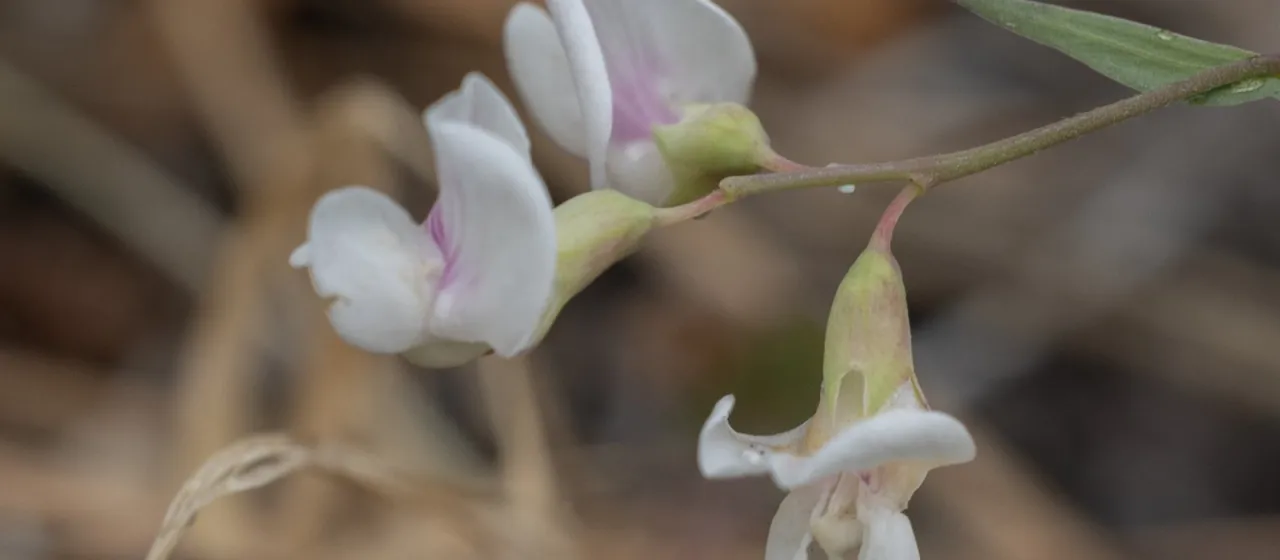
Botanically, Lathyrus lanszwertii features climbing or trailing stems supported by leaf tendrils, which allow it to access sunlight in dense vegetation. Its leaves are pinnate, and its flowers, often displaying vibrant purple or pink hues, are characteristic of the Lathyrus genus. The fruit is a dehiscent pod containing seeds that provide a protein-rich resource for wildlife and livestock alike.
In terms of agronomy, the crop thrives in well-drained, slightly acidic to neutral soils. It requires minimal fertilization due to its symbiotic relationship with nitrogen-fixing bacteria. Cultivation practices should focus on site selection that avoids waterlogged areas, as the root system is sensitive to prolonged anaerobic conditions. Strategic seeding in early spring or late autumn is recommended to match the plant's natural phenology.
The primary economic value of this crop lies in its potential as a forage resource for livestock and its role in soil health improvement. Like other legumes, it enriches soil nitrogen levels. Typical plant health issues include fungal pathogens such as powdery mildew and rust, which become problematic in dense stands with poor airflow. Common pests include aphids and specialized weevils that target developing pods.