
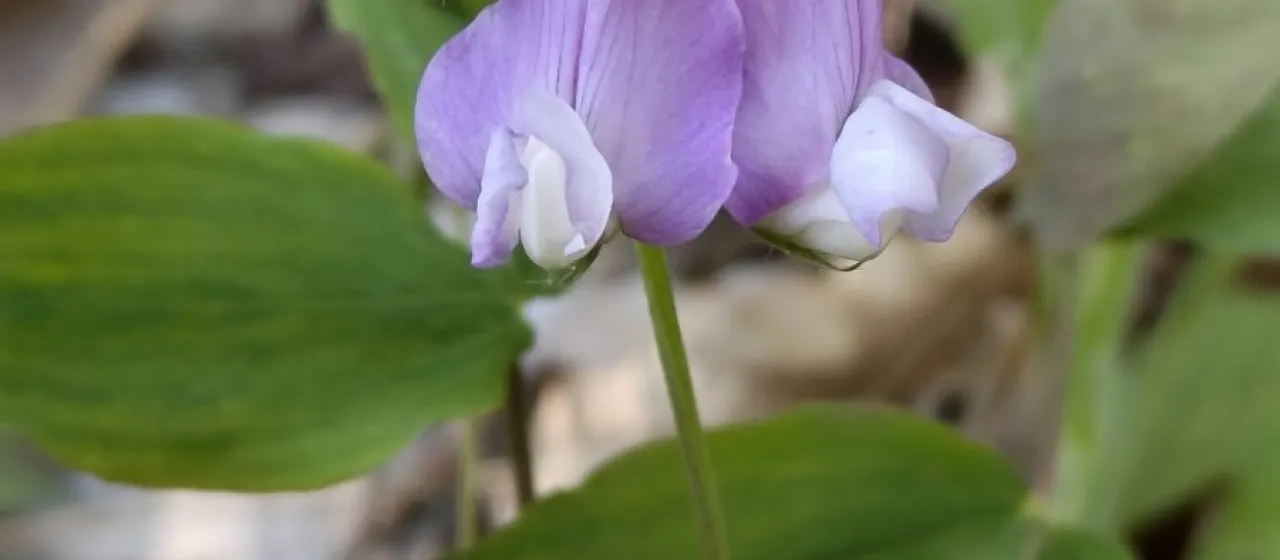
Description
Lathyrus laxiflorus, commonly known as the lax-flowered pea, is a perennial herbaceous plant belonging to the Fabaceae family. Within agriculture, it is recognized as a potential forage crop that provides high-quality vegetable protein and contributes to soil health through nitrogen fixation processes.
The plant originates from the temperate regions of Southeastern Europe, the Balkans, and parts of Asia Minor. It is typically found in forest edges and meadow-steppes, where it has evolved to adapt to diverse soil structures and varying moisture conditions found in hilly and mountainous terrain.
Botanically, the species features a robust root system and climbing stems supported by tendrils on its pinnate leaves. The flowers are arranged in loose, open racemes, which distinguishes it from many other vetchling varieties. This structure allows the plant to form a dense canopy when grown in suitable conditions.
Success in cultivation requires soil with good drainage and moderate nutrient content. Agronomic management involves preparing a firm seedbed, precise depth of sowing, and integrated weed management during the seedling stage, as the plant is slow to establish early in the growing season.
This crop is primarily utilized for fodder production, either as cut-and-carry green matter or as pasture for livestock. It is valued for its nutritional profile which supports animal health. Farmers must monitor for common pests such as aphids and leaf weevils, as well as fungal pathogens like powdery mildew during humid weather periods.