
Description
Bitter vetch (Lathyrus linifolius) is a perennial herbaceous plant belonging to the Fabaceae family. While it is often studied in botanical contexts, its characteristics make it a noteworthy subject for niche agricultural research, particularly in soil improvement and high-protein forage production.
The plant is native to a broad range of European regions, thriving in temperate climates. It is typically found in woodland edges and upland meadows, reflecting its preference for well-drained, moderately fertile, and slightly acidic soils. Its evolutionary adaptation allows it to survive in varied light conditions, ranging from full sun to partial shade.
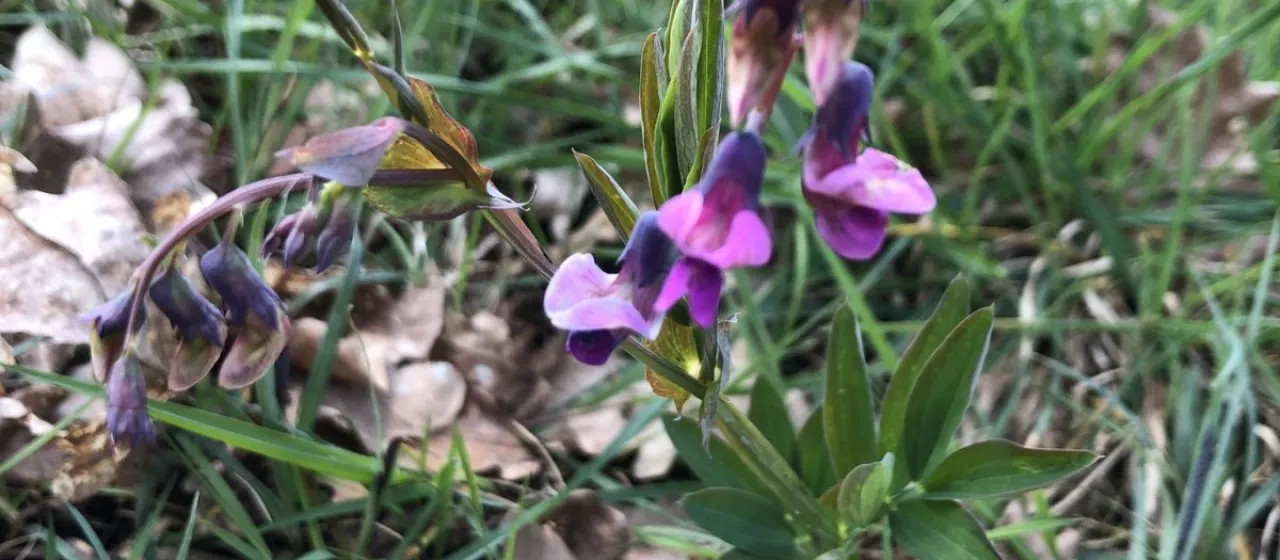
From a botanical standpoint, the plant is characterized by its winged stems and lanceolate leaflets, which are distinct among the Lathyrus genus. The root system is notably resilient, capable of symbiotic nitrogen fixation, which significantly contributes to soil fertility. The inflorescences are racemes featuring blue to violet flowers, leading to the development of pods containing nutrient-dense seeds.
Cultivation of this crop requires attention to soil preparation to ensure optimal seedling establishment. The agronomic management strategy includes:
- Selection of well-drained, neutral pH soil types.
- Adequate weed control during the initial stages of vegetative growth.
- Strategic fertilization with phosphorus and potassium to boost biomass.
- Avoidance of waterlogged areas to prevent root-related issues.
In modern agriculture, the crop is primarily utilized for forage and its potential as a cover crop for nitrogen fixation. Despite its resilience, farmers should remain vigilant against common pests such as pea weevils and aphids, as well as fungal diseases like powdery mildew. Proper crop rotation and field sanitation remain the most effective methods to manage these risks and ensure long-term productivity.