
Description
Vetchling pea (Latin: Lathyrus pisiformis) is a perennial herbaceous plant belonging to the Fabaceae family. Recognized for its high protein content and nitrogen-fixing properties, this crop is a valuable asset in sustainable agricultural systems and forage production.
The native distribution area of this species spans across the temperate regions of Europe and Asia. It is commonly found in forest edges and meadow ecosystems, where it thrives in diverse soil environments, adapting to local moisture levels and sunlight exposure.
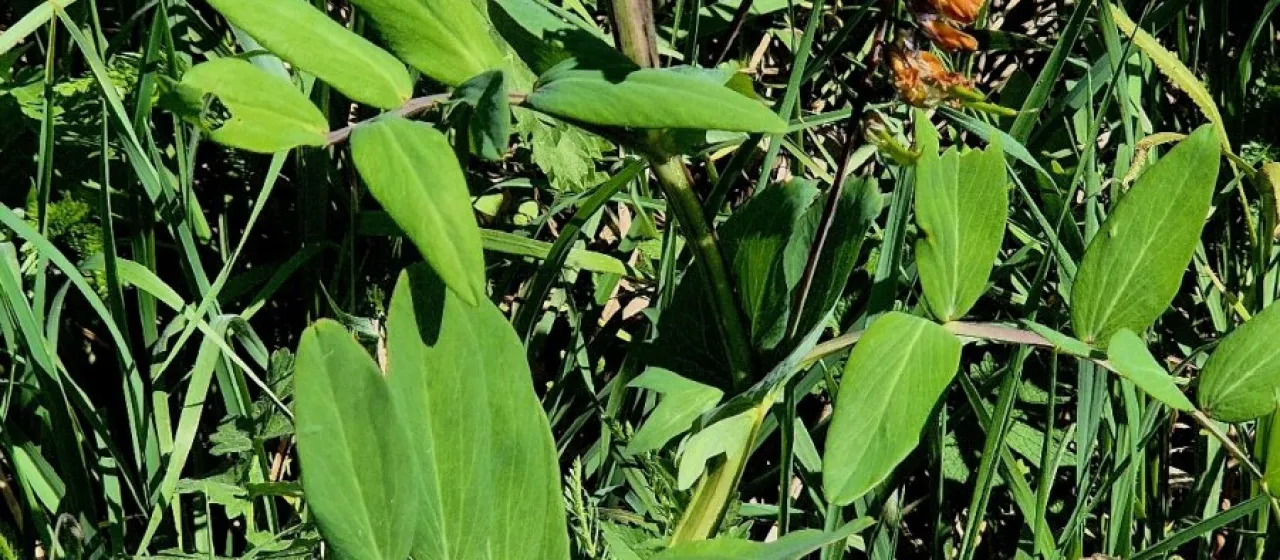
Botanically, it is a climbing plant characterized by its trailing stems that reach heights of 1.5 meters. The leaves are pinnately compound, ending in tendrils. Its purple flowers appear in clusters, providing significant ecological value by attracting pollinators during the blooming season.
In terms of cultivation, vetchling pea requires moderate climate conditions and prefers well-drained, fertile soils. While it is known for its hardiness, optimal agronomic management includes early weed control and ensuring adequate soil fertility to maximize biomass yield throughout the growing season.
The primary agricultural application of this species is for high-quality livestock feed, including hay and silage production. Growers should monitor for common issues such as powdery mildew and root rot, which are typical for many legume species, along with monitoring for common pests like aphids and legume weevils to maintain crop health.