
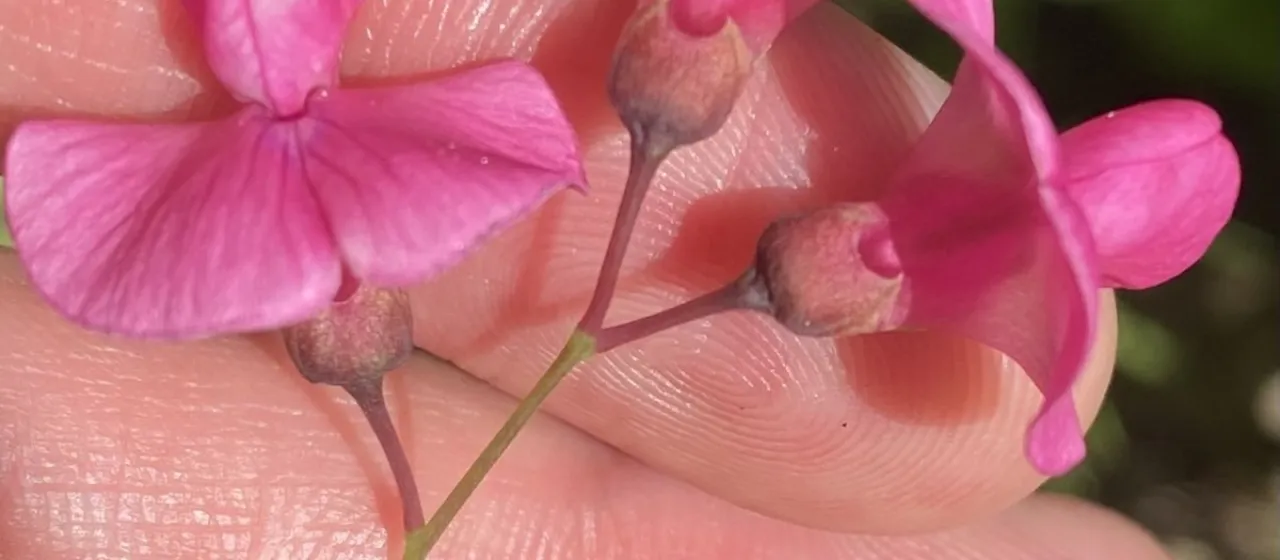
Description
Pink vetchling (Lathyrus roseus) is a perennial herbaceous plant belonging to the Fabaceae (legume) family. In agricultural science, it is recognized for its potential as a forage crop and its capacity to enrich soil nitrogen content through symbiotic nitrogen fixation.
The native distribution of this species spans the Caucasus region, where it thrives in forest margins and shrubland habitats. Its adaptation to shade and moderate climatic conditions makes it a specialized crop, particularly suited for regions where standard legumes might face stress due to excessive sunlight or temperature fluctuations.
Botanically, Lathyrus roseus is characterized by climbing stems with tendrils, pinnate leaves, and distinct pink flowers. The plant's architecture allows it to maximize light interception, while its robust root system contributes to both soil structure improvement and drought tolerance once the crop is established.
Successful cultivation requires fertile, well-drained loamy soils with a neutral pH. The agronomic management focuses on early-stage weed control, as the initial growth period is critical. Proper spacing and sowing density are essential to prevent competition and allow for optimal development of the vegetative biomass.
Typical pests and diseases include fungal infections like powdery mildew, particularly in humid, poorly ventilated areas. Maintaining good crop hygiene and employing integrated pest management strategies are vital for ensuring healthy yields. The crop is primarily used for high-protein forage, providing essential nutrients for livestock.
- Significant high-protein fodder production.
- Enhanced soil fertility via nitrogen fixation.
- Suitable for shaded or semi-shaded agricultural plots.
- Potential use in land reclamation projects.