
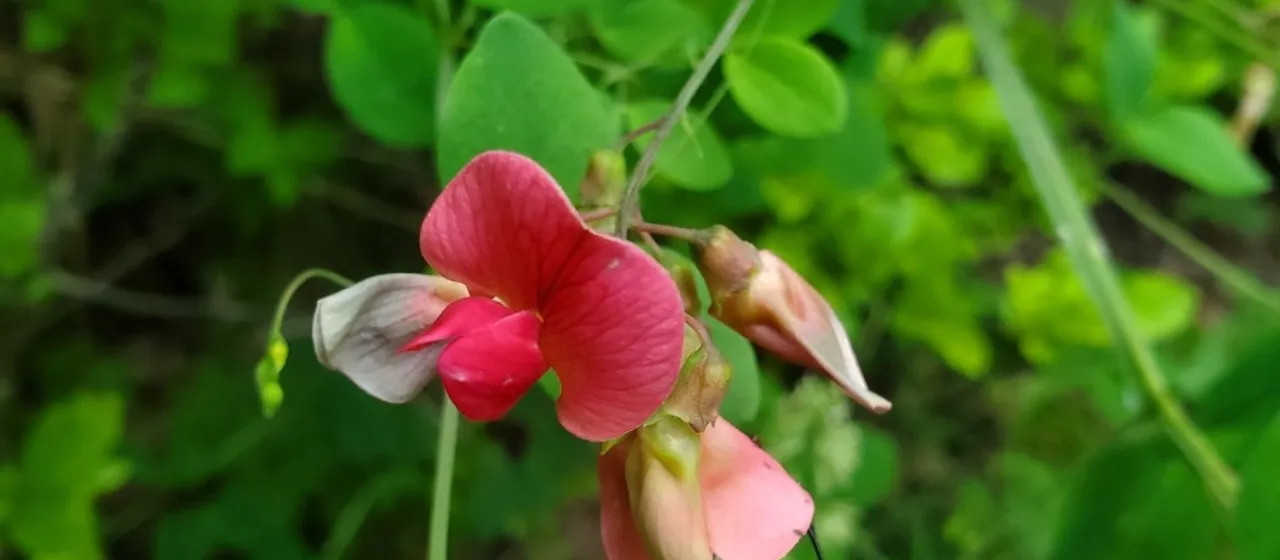
Description
Perennial pea (Lathyrus rotundifolius) is a robust herbaceous plant belonging to the Fabaceae family. Known for its distinct foliage and climbing growth habit, this legume serves as an essential agricultural crop valued for its nutritional profile and environmental adaptability.
Native to the Caucasus region and parts of Western Asia, this plant has adapted to diverse climatic zones. It thrives in temperate environments and is primarily cultivated for its ability to provide high-quality forage, as well as for its symbiotic relationship with nitrogen-fixing bacteria, which enhances soil fertility.
The plant features characteristic rounded leaves and strong stems that allow it to climb effectively. Its root system is deep, making it an excellent candidate for erosion control on slopes. The flowering phase produces abundant blooms, which contribute to its ecological role within the agricultural landscape.
Effective cultivation requires well-draining, nutrient-rich soils with a neutral pH. The crop prefers moderate rainfall and sufficient sunlight. Agronomic management involves preparing a weed-free seedbed, as seedlings are sensitive to competition. Consistent monitoring of moisture levels is crucial during the plant's peak growth stages.
Primary хозяйственное uses include green manure production and livestock fodder. To ensure a healthy harvest, farmers should watch for common pests such as aphids and weevils. Preventive measures against fungal diseases like powdery mildew are recommended, focusing on optimal planting density and adequate air circulation within the field.