
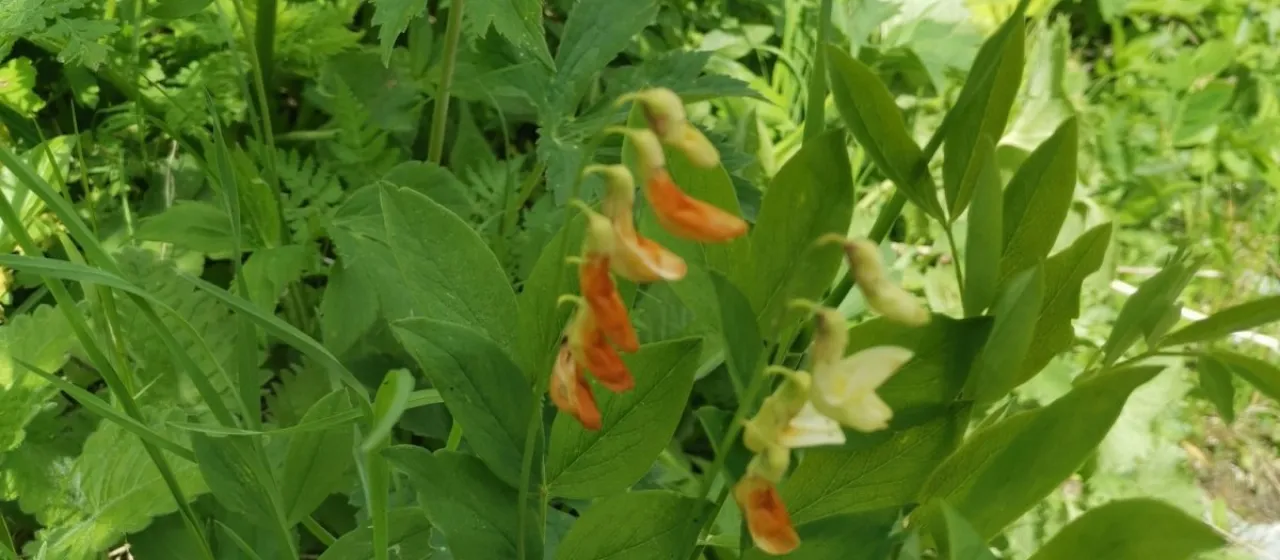
Description
Subalpine vetchling (Lathyrus subalpinus) is a perennial herbaceous plant belonging to the Fabaceae family. It is a distinctive legume species adapted to highland ecosystems, known for its ability to fix atmospheric nitrogen and contribute to the nitrogen cycle in natural and semi-natural grassland systems.
The plant originates from the mountain regions of Central and Southeastern Europe. Its native habitat is the subalpine zone, where it is exposed to significant environmental variability. This evolutionary background makes the species highly resilient to cool climates and rocky soils, allowing it to thrive where many other forage crops would fail.
Botanically, Lathyrus subalpinus features a sprawling growth habit with pinnate leaves and specialized tendrils used for climbing. Its flowers are typically purple or violet, showing a classic pea-like structure. The root system is robust and deep-reaching, providing the plant with excellent stability and drought tolerance in the thin, mountainous soils of its origin.
Cultivation requirements involve well-drained, nutrient-rich soils with a neutral pH. While the species is accustomed to mountainous terrain, it performs best when provided with adequate sun exposure and managed to prevent aggressive weed competition during the establishment phase. It is an excellent choice for stabilizing slopes and improving soil quality in marginal land areas.
In terms of хозяйственное (agricultural) use, subalpine vetchling is valued as a high-protein forage crop for livestock, particularly in grazing systems. It is also an important plant for biodiversity and supporting pollinators in agricultural landscapes. Common pathogens include various leaf spot fungi and powdery mildew, while primary pests often include aphids and weevils, which necessitate diligent monitoring and potential biological control measures.