
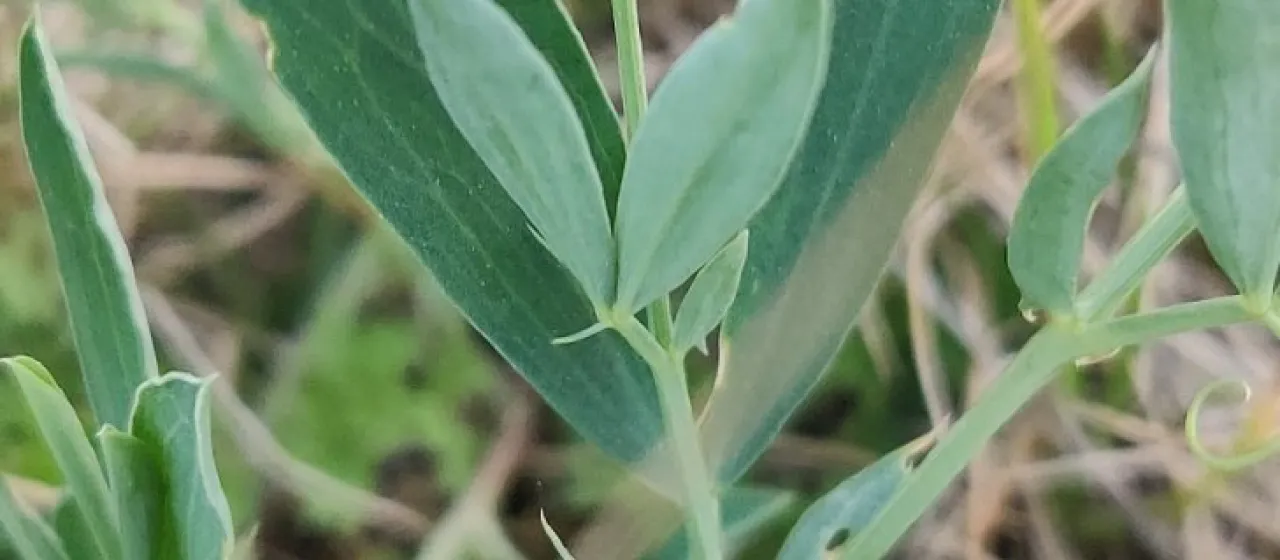
Description
Tuberous pea (Lathyrus tuberosus) is a perennial herbaceous plant belonging to the Fabaceae family. This species is recognized for its unique ability to produce edible underground tubers, making it a valuable candidate for permaculture and sustainable agricultural systems due to its resilience and nutritional profile.
Originating from regions across Europe and Western Asia, the tuberous pea is adapted to temperate climates. Its natural habitat includes grasslands and forest edges, where it thrives by developing a robust root system. This allows the plant to persist for many years, surviving harsh winters by sequestering energy in its tubers.
The botanical structure of the plant features trailing or climbing stems that can grow up to one meter in length, supported by tendrils. The leaves are compound, and the plant produces attractive, fragrant, pink-to-purple flowers during the summer months. The most distinctive feature is the clusters of small, dark-skinned, starchy tubers that form on the roots.
Regarding cultivation, the tuberous pea prefers fertile, well-drained loamy soils and sunny locations, though it can tolerate partial shade. Proper soil preparation is essential, as the plant establishes itself slowly in the first year. Weed management is the primary agronomic challenge, as the plant needs to be kept free from competition until its root system is fully mature.
The culinary and agricultural uses of this crop are significant: its tubers have a pleasant, chestnut-like flavor when cooked, often consumed as a vegetable. Furthermore, the foliage provides nutritious forage for livestock. Growers must remain vigilant against common legume pests like aphids or weevils and prevent fungal diseases such as powdery mildew, which can affect the foliage in humid conditions.