
Description
The Spring vetchling (Lathyrus vernus) is a perennial herbaceous plant belonging to the Fabaceae family. While many Lathyrus species are grown as annual crops, the Spring vetchling serves as a valuable perennial resource for agroforestry, soil nitrogen fixation, and early-season forage development in temperate climatic zones.
Originally native to European and Western Siberian woodland areas, this crop is characterized by high adaptability to temperate conditions. It thrives in loamy, nutrient-rich soils that are well-drained. Its ability to tolerate partial shade makes it a unique candidate for intercropping systems under forest canopies or in transitional field zones.
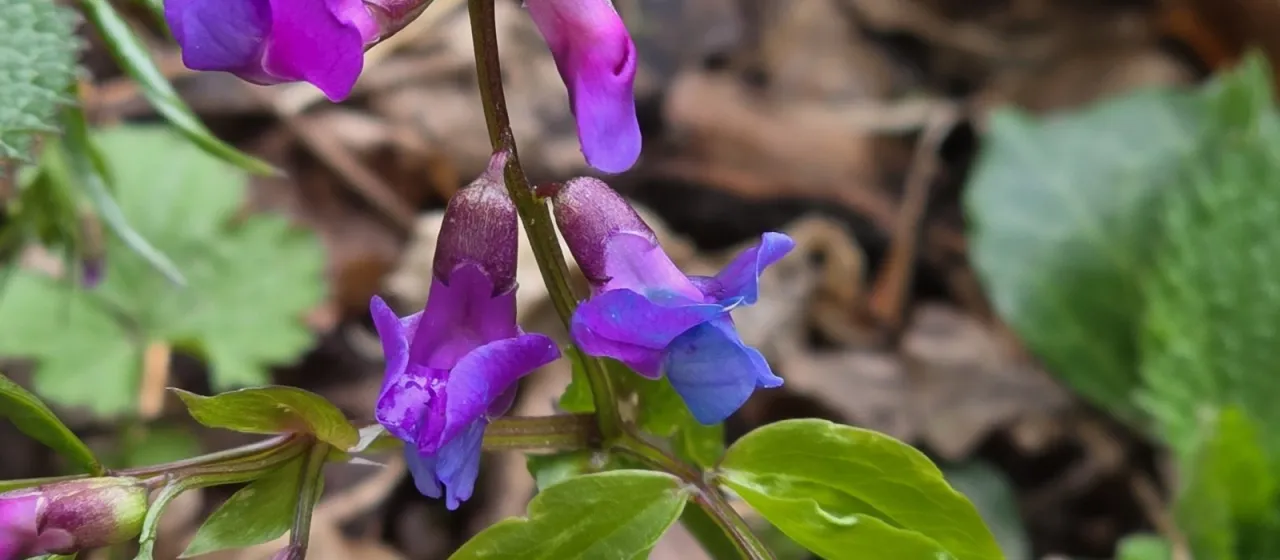
Botanically, the plant features a sturdy rhizome, allowing it to persist for many years. It grows 30–50 cm in height with alternate, pinnate leaves. The flowers are notable for their distinct transition from reddish-purple to intense blue as they mature. The resulting seed pods provide a high-protein feed component, which is standard for the Lathyrus genus.
Cultivation requirements focus on establishing a stable, neutral, or slightly acidic substrate. Farmers should ensure that the initial growth phase is protected from heavy competition from fast-growing weeds. Once established, the plant shows significant resistance to cold snaps, requiring minimal intervention compared to traditional annual legumes.
From an agricultural standpoint, the species is utilized for fodder enrichment and as a biological nitrogen source. Common pests include pea weevils and aphids, while fungal issues like root rot may occur in waterlogged areas. Integrating this crop into field margins or orchard alleys enhances biodiversity and provides a sustainable solution for long-term land management.