
Description
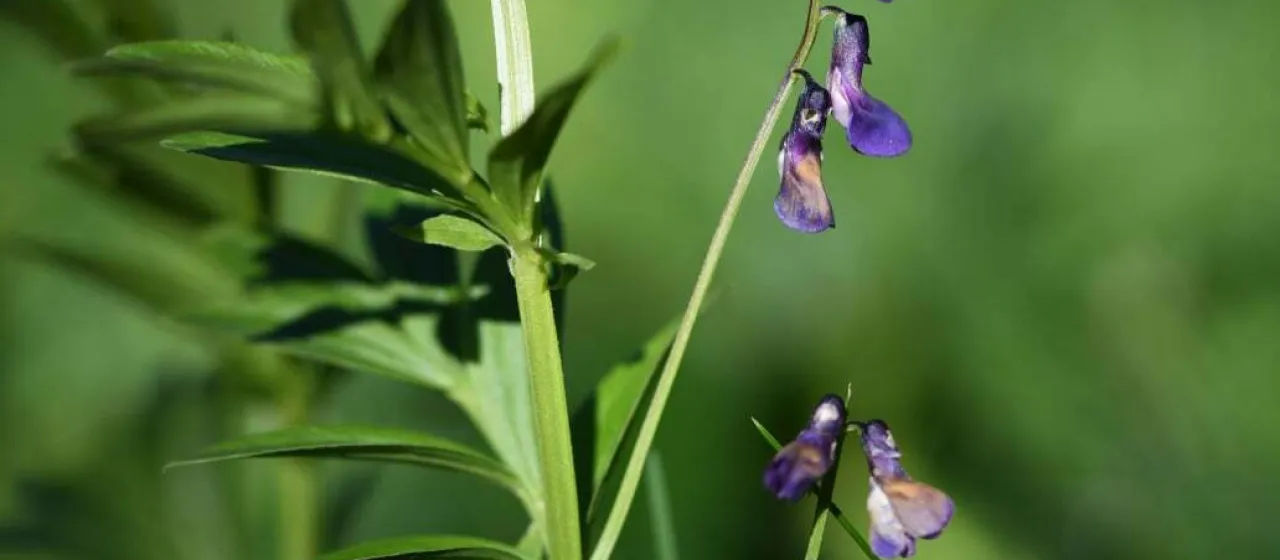
Lathyrus vivantii is a perennial herbaceous plant belonging to the Fabaceae (legume) family. Like many other species in the Lathyrus genus, it features characteristic pinnate leaves ending in tendrils and zygomorphic, pea-like flowers. Its physiological structure allows it to thrive by climbing and accessing sunlight effectively in competitive plant communities.
The native distribution and cultivation range of this species are primarily found in specific geographical zones that support hardy perennial legumes. Historically, such plants have been recognized for their ability to survive in varied environments, making them a subject of interest for agronomists looking for species that can provide consistent biomass in semi-natural grasslands and marginal agricultural lands.
Botanically, the plant is characterized by a deep root system and high nitrogen-fixing potential, which is typical for the family. The vegetative growth cycle is well-synchronized with the seasonal availability of moisture. Its foliage is designed to resist moderate levels of transpiration, allowing it to maintain metabolic functions even during periods of seasonal water stress.
Regarding soil and climatic requirements, Lathyrus vivantii performs best in well-drained soils that provide sufficient aeration. It is adaptable to a range of pH levels but prefers slightly fertile, neutral ground. Agricultural practices for this crop focus on creating optimal establishment conditions in the first year, after which the crop demonstrates high resilience and limited need for intensive human intervention.
The main areas of agricultural use include:
- Integration into permanent pasture mixtures for high-protein livestock fodder.
- Soil improvement programs focusing on nitrogen enrichment and structural integrity.
- Buffer planting to prevent erosion in sensitive landscapes.
- Genomic research to identify stress-tolerance markers for modern pulse breeding.
Common pests and diseases affecting this species include powdery mildew, which can develop in stagnant, humid air, and legume-specific insects such as weevils. Effective management involves ensuring proper plant spacing to facilitate airflow and applying integrated pest management strategies that prioritize ecological balance over excessive chemical use.