
Description
Launaea fragilis is a perennial herbaceous plant belonging to the Asteraceae family. In the context of arid agriculture, it is recognized as a resilient species capable of surviving in harsh desert and semi-desert environments. The plant is botanically distinguished by its unique adaptation to extreme heat and water scarcity, playing a significant role in its native ecosystem.
The origin of Launaea fragilis is traced back to the arid regions of North Africa and the Middle East. It thrives in environments characterized by sandy soils, rocky terrains, and high salt concentrations. As an agricultural resource, it serves as a critical component in regions where traditional crop cultivation is impossible due to severe climatic conditions and lack of irrigation infrastructure.
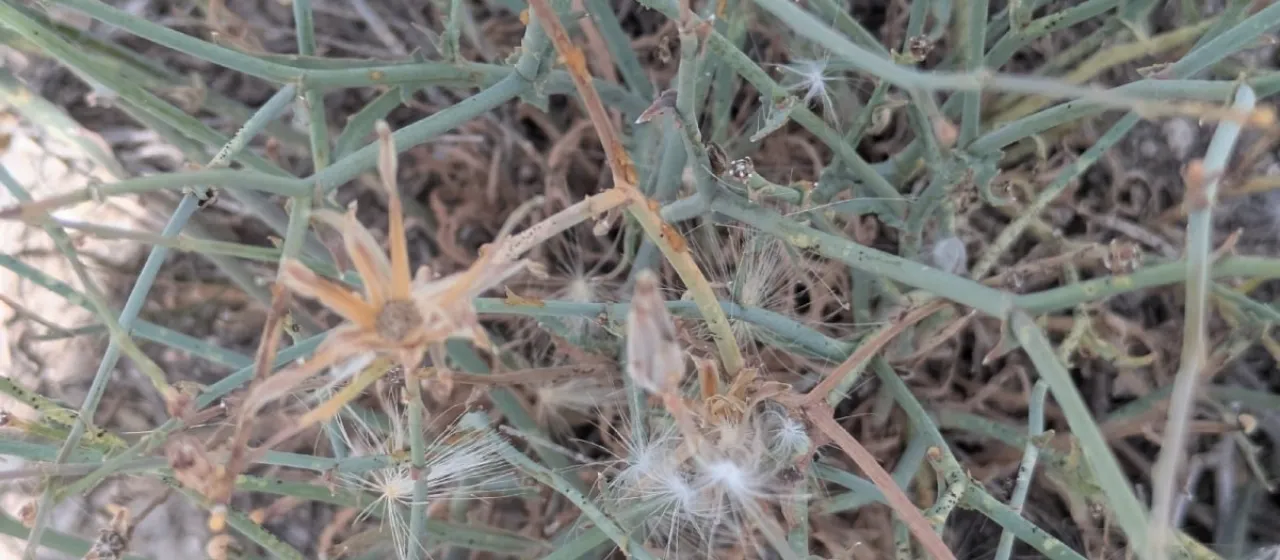
Botanically, the plant features highly branched, brittle-looking stems that facilitate survival during intense drought. The leaves are primarily clustered at the base, while the stems remain largely bare, an evolutionary adaptation to minimize transpiration. The plant produces small, yellow flower heads typical of the daisy family, which bloom when environmental conditions allow for moisture uptake.
Regarding cultivation, this species requires full sunlight and possesses a remarkable ability to withstand poor soil quality, including saline and alkaline substrates. Minimal maintenance is required, as the plant has evolved to coexist with limited resources. In agriculture, managing Launaea fragilis involves careful grazing schedules to ensure that natural populations are not overexploited and can recover annually.
The primary agricultural utility of this plant is as a source of browse for camels, goats, and sheep in desert pastoral systems. Beyond its value as fodder, researchers are investigating the plant for its potential bioactive compounds. These secondary metabolites are produced as a stress response to the harsh environment and hold promise for applications in natural medicine and specialized agricultural supplements.
- Excellent drought tolerance
- High salinity resistance
- Sustainable fodder for livestock in arid zones
- Low soil fertility requirements