
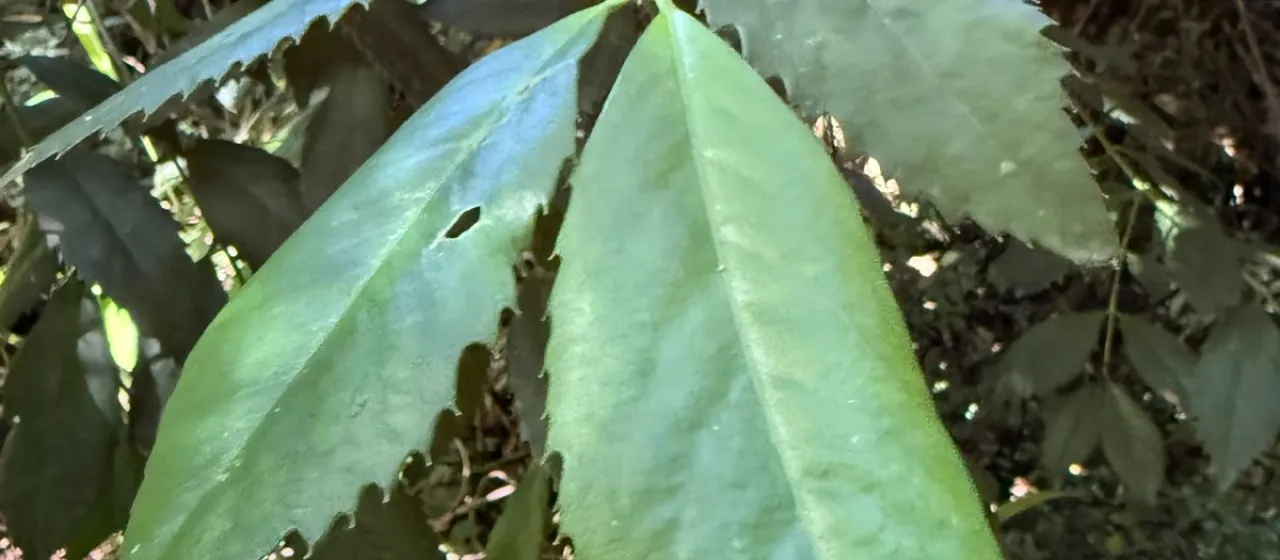
Description
Laureliopsis philippiana is a prominent evergreen tree species belonging to the Monimiaceae family. Known in its native range for its ecological significance, this plant is a characteristic element of the temperate rainforests of the Southern Hemisphere. It serves as an important subject for botanical research and forest management strategies focused on biodiversity conservation.
The origin of Laureliopsis philippiana is primarily restricted to the Valdivian temperate rainforests of Chile and parts of Argentina. It thrives in regions characterized by high annual precipitation and mild temperatures. This specific climate allows the species to maintain its lush foliage throughout the year, contributing significantly to the structural complexity of the Andean forest ecosystem.
Botanically, this species is defined by its coriaceous (leathery) leaves and the production of aromatic secondary metabolites. The tree possesses a dense wood structure which is highly valued for its durability. Its life cycle involves slow growth, which is an evolutionary adaptation to the stable, competitive environment of mature rainforests where sunlight availability can be limited for younger specimens.
Agricultural and silvicultural requirements for the species include nutrient-rich, acidic soils with excellent water permeability. It is sensitive to temperature extremes and requires high relative humidity to thrive. In managed settings, nursery propagation demands precise control of moisture levels and protection from direct, harsh solar radiation to prevent leaf scorch and seedling desiccation.
The commercial and economic utilization of this tree is centered on its valuable timber, which is suitable for specialty woodwork and construction. Furthermore, the essential oils found in the foliage and bark are being explored for potential applications in cosmetics and natural pesticide formulations.
- Adaptability to cool, maritime-influenced climates.
- Superior wood quality and mechanical properties.
- Crucial role in watershed protection and forest stabilization.
Regarding pest and disease management, the species is susceptible to root pathogens under conditions of waterlogging and poor soil aeration. Typical pests include various endemic wood-boring insects and foliage-consuming larvae. Effective management relies on maintaining natural environmental balances and strictly adhering to silvicultural best practices to avoid plant stress.