
Description
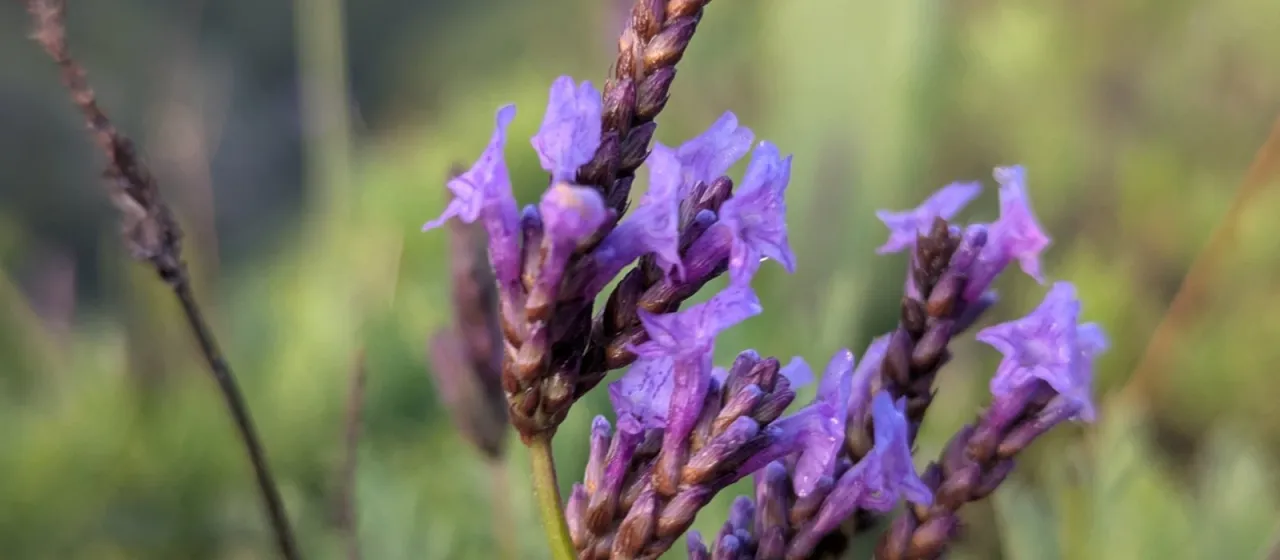
Canary lavender (Lavandula canariensis) is an evergreen subshrub belonging to the Lamiaceae family. It is distinct from other popular lavender species due to its unique pinnate, fern-like leaves and its open, airy inflorescences, which give the plant a delicate, ornamental appearance.
The species is native to the Canary Islands, where it thrives in rocky, well-drained habitats under abundant sunlight. Due to its Mediterranean origins, it is well-adapted to warm, dry climates, though it can be cultivated as a container plant in temperate regions provided it is moved indoors or protected during freezing winter temperatures.
Botanically, it typically reaches a height of 60 to 90 cm, forming a bushy habit with grey-green, fragrant foliage. The flowers emerge on slender spikes with a soft purple hue, blooming steadily throughout the growing season, which makes it an excellent choice for attracting pollinators like bees and butterflies to the garden.
Successful cultivation requires full sun exposure and extremely well-drained, sandy, or rocky soil. The plant is drought-tolerant once established but needs careful watering management; excessive moisture around the root zone is the most common cause of failure. Pruning should be done lightly after flowering to maintain shape and prevent the wood from becoming too leggy.
In terms of practical use, Canary lavender is highly valued in landscape design for its textured foliage and fragrance. It is often used in xeriscaping or as an accent plant in herb gardens. While it is generally robust, growers should monitor for potential pests such as aphids or spider mites, and ensure adequate airflow to prevent fungal issues, especially in humid conditions.