
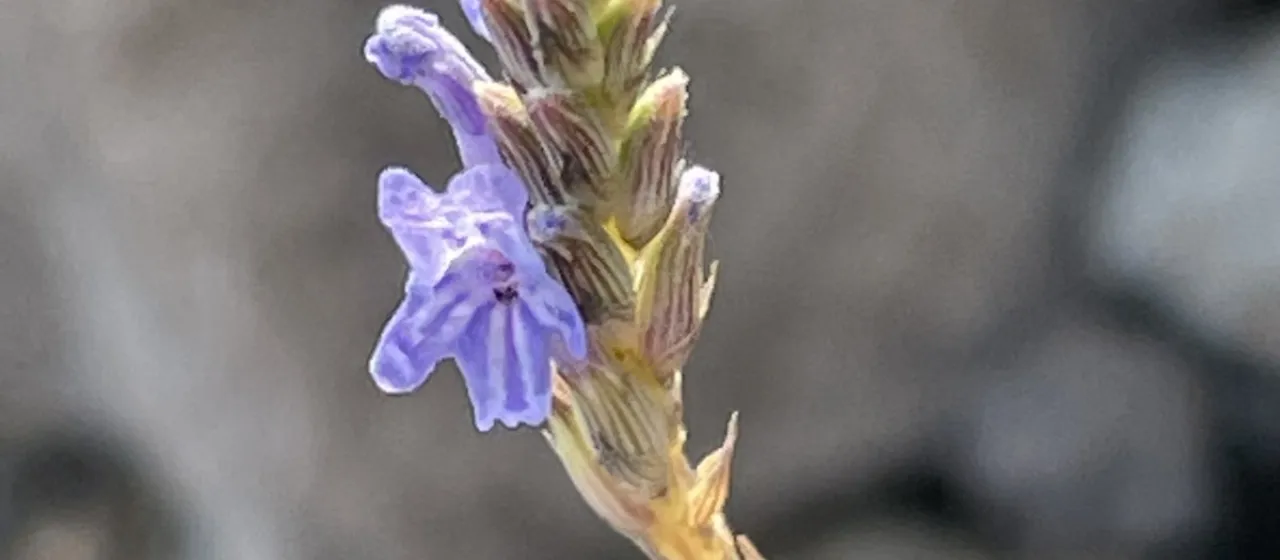
Description
Lavandula coronopifolia is a distinct perennial species belonging to the Lamiaceae family. Unlike common lavender varieties used in traditional floriculture, this species is specifically adapted to arid and semi-arid environments, demonstrating high resilience to extreme heat and low water availability.
The native distribution of this species spans the desert and rocky landscapes of North Africa and the Arabian Peninsula. Because of its native environment, the plant has evolved to thrive in soils with low fertility, making it a subject of research for sustainable agriculture in hot, water-scarce regions where traditional crop cultivation fails.
Botanically, Lavandula coronopifolia is characterized by its uniquely incised, almost fern-like leaves, which provide a stark contrast to the entire or serrated leaves of other lavender species. It produces small, delicate flower spikes that are rich in aromatic compounds. The root system is deep and highly efficient at water absorption, allowing the plant to remain dormant or survive during extended periods of drought.
Agricultural practices for this crop must prioritize excellent drainage and minimal irrigation. Over-watering is the most common cause of failure, as the root system is highly susceptible to rot when subjected to moisture-saturated soils. For successful cultivation, fields should be situated in full-sun locations with sandy or gravel-heavy substrates that prevent water retention.
The industrial application of this plant focuses on the extraction of high-value essential oils utilized in the pharmaceutical and fragrance sectors. When managing this crop, farmers must be vigilant against pests like spider mites that thrive in hot, dry conditions. Disease control is primarily managed through strict water management, as fungal pathogens rarely establish in well-aerated, dry, and sunny environments.