
Description
Gibson's lavender (Lavandula gibsonii) is a perennial essential oil crop belonging to the Lamiaceae family. This species is a botanical endemic, characterized by a compact, shrub-like growth habit that is highly valued for its unique aromatic properties, which differ significantly from the more common Mediterranean lavender varieties.
The native habitat of this plant is restricted to specific high-altitude regions in India, primarily the Western Ghats. Unlike the widely cultivated English lavender, this species has adapted to specific monsoon climatic patterns, making it highly selective regarding temperature stability and light exposure when introduced into agricultural settings.
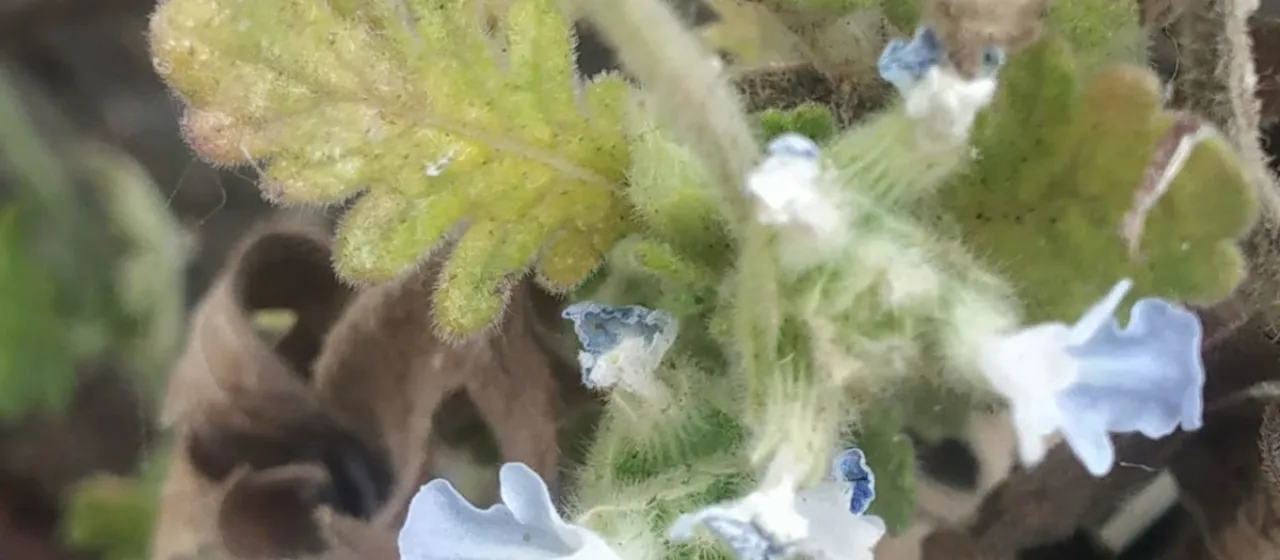
Botanically, the plant is distinguished by its grayish-green, pubescent leaves, which serve as an adaptation to reduce transpiration. The flowers appear in terminal, spike-like inflorescences consisting of small, vibrant violet-blue florets. The root system is moderately developed, enabling the plant to thrive in rocky and well-draining soil conditions.
Successful cultivation of this crop requires strict adherence to specific agricultural standards. The primary requirements for healthy growth include:
- Well-drained soil substrates with a neutral to slightly alkaline pH.
- Full, direct sunlight exposure for the majority of the day.
- Careful, controlled irrigation to prevent waterlogging in the root zone.
- Regular pruning to maintain structural integrity and prevent woody overgrowth.
The economic value of Lavandula gibsonii lies primarily in its essential oil extraction, which provides compounds with unique aromatic profiles. Beyond the fragrance and cosmetics industry, the plant is increasingly utilized in ornamental landscaping for rock gardens and xeriscaping, as well as in traditional herbal medicine practices.