
Description
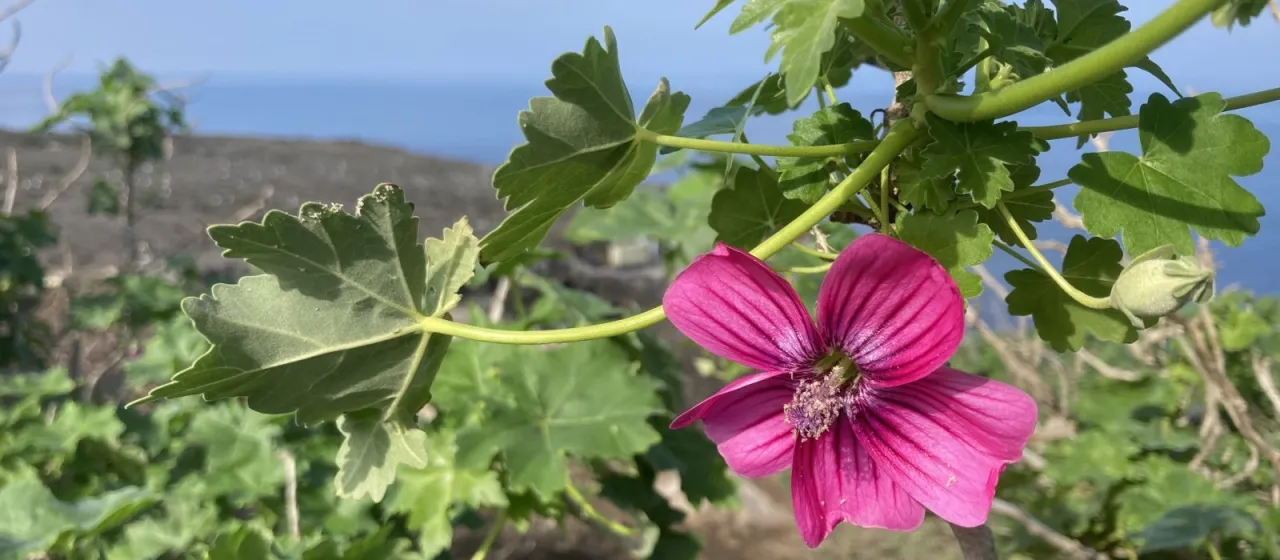
Island mallow (Lavatera assurgentiflora) is a fast-growing, evergreen shrub belonging to the Malvaceae family. Originally native to the Channel Islands off the coast of California, this plant has become a popular ornamental feature in Mediterranean-style gardens, valued for its rapid growth rate and stunning, large, pink-to-purple flowers.
The natural habitat of this species is characterized by coastal exposure and mild temperatures. Consequently, when cultivated in agricultural or horticultural settings, it performs best in regions that mimic these conditions. It is well-adapted to coastal gardens where it can tolerate moderate salt spray, though it requires protection from severe frosts that can damage its woody stems.
Botanically, the plant can reach impressive heights of 2 to 4 meters under favorable conditions. It features large, maple-like leaves and showy flowers with distinctive dark veining. The flowering period is extended, often providing significant aesthetic value from spring through late summer, making it a reliable choice for long-term garden displays.
Cultivation requirements focus on providing a well-drained soil environment. While the plant is relatively drought-tolerant once established, supplemental irrigation during the peak summer months encourages more vigorous growth and profuse flowering. Pruning is an essential part of the care regimen to maintain the shape of the shrub and prevent it from becoming overly leggy or sparse in its central sections.
Regarding pests and diseases, the species is susceptible to common mallow family issues. These include rust fungi, particularly in humid or stagnant air environments, and insect pests such as aphids and spider mites. Effective management involves maintaining good air circulation, proper spacing during planting, and monitoring foliage for signs of infestation to intervene early with appropriate biological or chemical treatments.