
Description
The Mauritanian tree mallow (Lavatera mauritanica) is a significant plant species belonging to the Malvaceae family. Recognized for its structural robustness, it serves as both an ornamental asset in landscaping and a potential utility plant in agricultural settings, depending on the specific environmental requirements of the region.
Native to the Mediterranean Basin, including coastal areas of North Africa and Southern Europe, this species has evolved in climates characterized by mild winters and hot, dry summers. It thrives in open, sun-drenched locations and demonstrates a high level of drought tolerance, which is a major advantage for sustainable cultivation in arid zones.
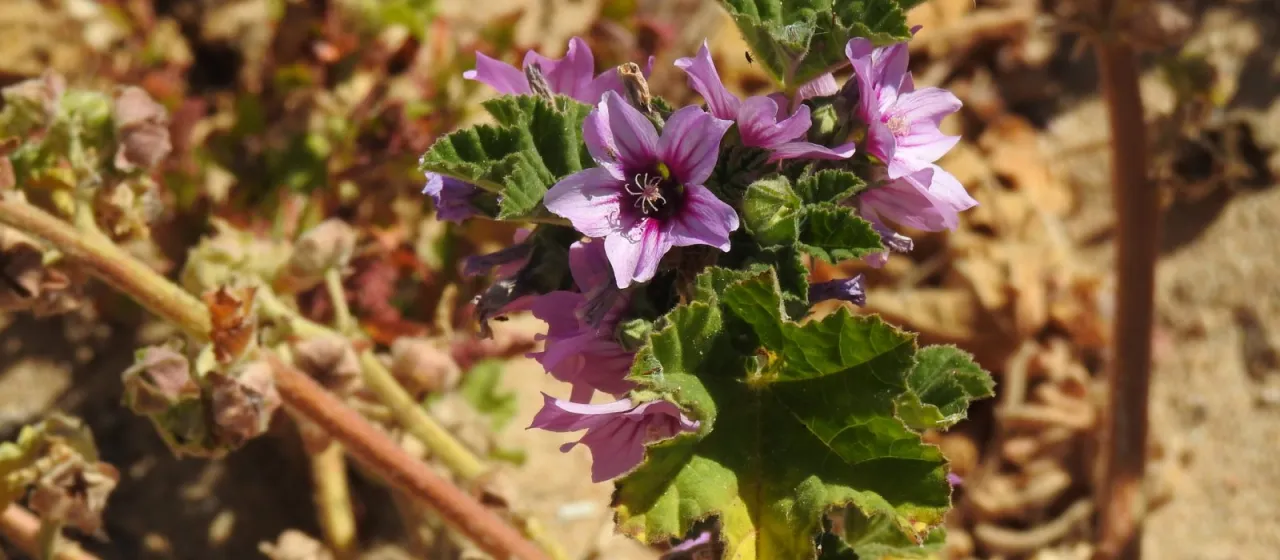
Botanically, it is classified as a hardy perennial or biennial herb depending on the climate zone, often reaching heights of over one meter. It features distinctively lobed, pubescent leaves and vibrant purple-pink flowers that provide high aesthetic value. Its deep-reaching taproot system ensures structural stability and efficient nutrient uptake even in compacted soils.
For successful cultivation, agronomists recommend following these guidelines:
- Planting in well-drained, alkaline to neutral soil types.
- Ensuring maximum sun exposure to promote dense flowering.
- Implementing a managed irrigation strategy to prevent root rot during excessive rain.
- Applying balanced nitrogen-based fertilizers during the early vegetative growth phase.
In terms of crop protection, the species is susceptible to common Malvaceae pests, such as aphids, and fungal issues like rust, which can be mitigated through proper spacing and moisture management. The plant is valued for its versatility, offering benefits as a habitat for beneficial insects and as a hardy structural element in large-scale garden and farm border plantings.