
Description
Lawsonia inermis, commonly known as henna, is a flowering shrub belonging to the Lythraceae family. It is a perennial plant that can grow into a small tree, reaching heights of up to six meters. The plant is globally renowned for its leaves, which contain lawsone, a reddish-orange pigment that serves as a high-quality natural dye.
The origin of henna traces back to the arid and semi-arid regions of North Africa, Western Asia, and Northern Australia. It thrives in hot, dry environments where other crops might struggle. Major commercial production centers are located in India, Pakistan, and various North African countries, where the climate provides the intense heat and sunlight required for optimal pigment production.
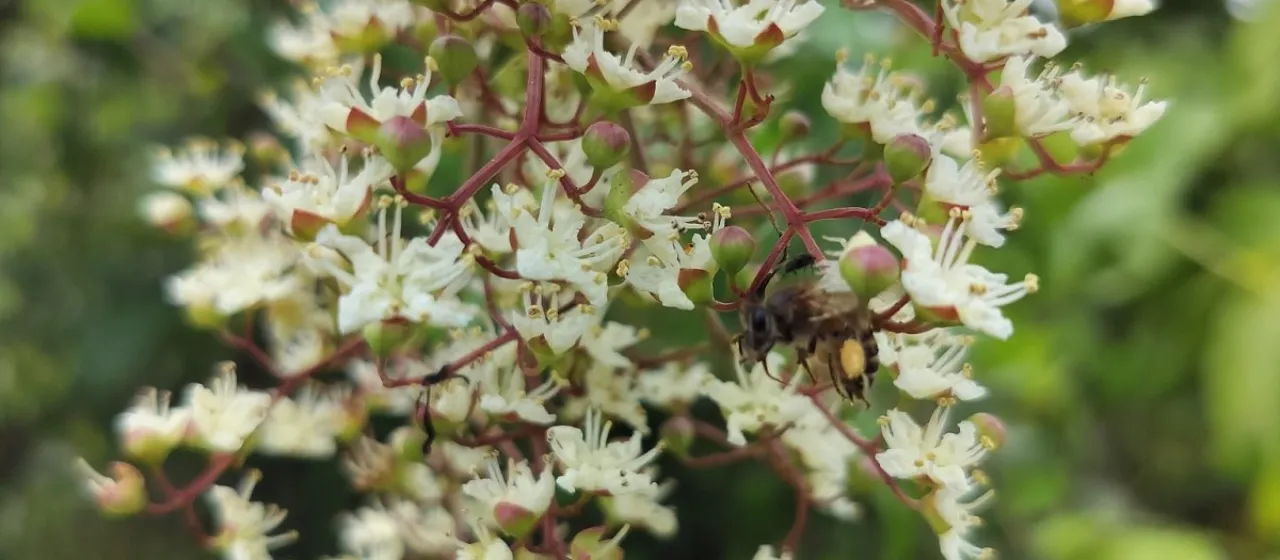
Botanically, the plant features small, opposite, elliptical leaves and fragrant white or pinkish flowers arranged in terminal panicles. It is a drought-tolerant species that prefers well-drained, fertile soil. While it is hardy in arid zones, it cannot withstand freezing temperatures, which can severely damage or kill the plant during the winter months.
The agronomic management of henna involves intensive sunny exposure, regular pruning to encourage side branching, and careful irrigation cycles. Harvesting is typically conducted manually by stripping leaves from the branches. Proper post-harvest handling, including drying in the shade to preserve the integrity of the dye pigment, is essential for maintaining the commercial value of the crop.
- Industrial applications: Textile dyeing, cosmetics, and traditional temporary tattooing.
- Medicinal properties: Antifungal and antibacterial characteristics of leaf extracts.
- Typical threats: Spider mites, aphids, and fungal diseases under high humidity conditions.