
Description
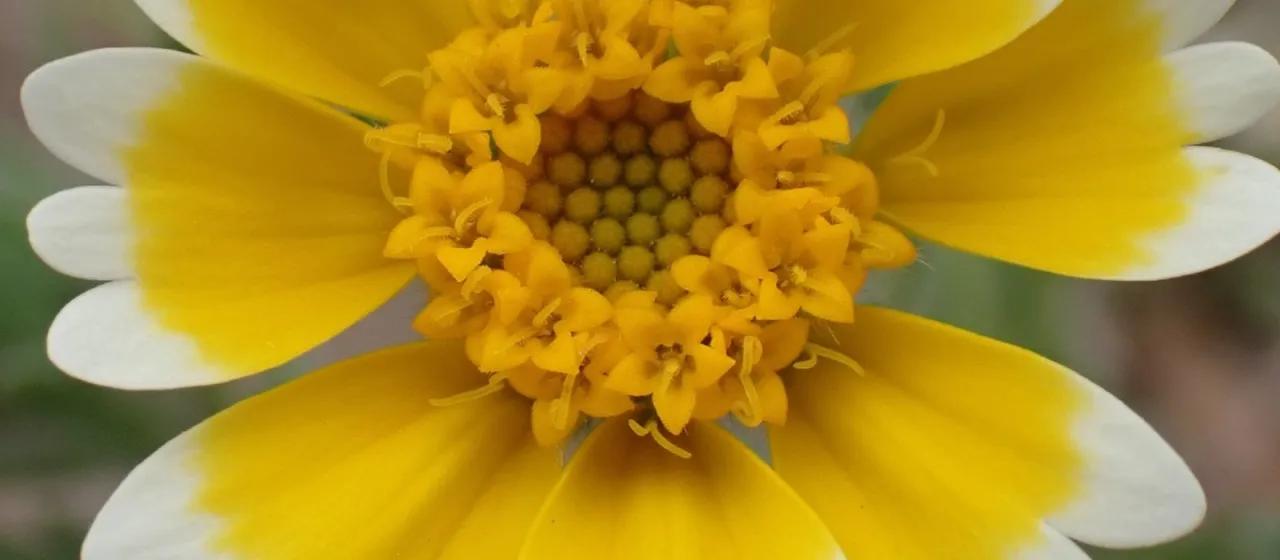
Tidy Tips (Layia platyglossa) is a charming annual herbaceous plant belonging to the Asteraceae family. It is widely recognized for its distinctive bi-colored flower heads, which feature bright yellow disk florets surrounded by ray florets that are tipped with distinct white markings, giving the plant its common name.
The plant is native to western North America, particularly in California and surrounding regions. It typically grows in open, sunny grasslands and meadows. Because of its natural habitat, it has developed excellent resilience to heat and varying moisture levels, making it a favorite for sustainable and low-maintenance gardening in Mediterranean-type climates.
Botanically, Tidy Tips grows to a height of approximately 20 to 50 centimeters. The stems are often branched and covered with fine, soft hairs. The foliage is relatively simple, with narrow leaves. The blooming phase is the highlight of the plant's life cycle, providing a nectar source for local pollinators and adding a cheerful aesthetic to any landscape from late spring through mid-summer.
Cultivation requirements for Layia platyglossa focus on full sun exposure and well-draining soil. It thrives in sandy or loamy textures and is notably drought-tolerant once established. Gardeners should avoid over-fertilizing or over-watering, as these practices can compromise the structural integrity of the plant and reduce its natural hardiness against climatic stressors.
The primary uses for Tidy Tips in horticultural settings include:
- Incorporation into wildflower meadows and native plant borders.
- Mass planting for seasonal color displays.
- Use as an attractive border plant along walkways or garden paths.
- Container gardening for porches and sunny patios.
Regarding plant health, Tidy Tips is generally robust. However, in environments with high humidity or poor air circulation, it may be susceptible to powdery mildew. Aphids can also be occasional pests. Maintaining good soil drainage and ensuring the plants have enough space between them are the most effective cultural controls for preventing these common issues.