
Description
Leavenworthia torulosa is a small herbaceous plant belonging to the Brassicaceae family. In the field of botany, this species is highly regarded as a model organism for evolutionary studies, particularly in understanding how plants adapt to harsh, shallow soil environments where water availability fluctuates significantly.
The plant originates from North America, specifically localized within the cedar glade regions of the United States. Its natural habitat is characterized by thin, rocky substrates over limestone, which provide a unique mineral-rich environment that few other plant species can tolerate.
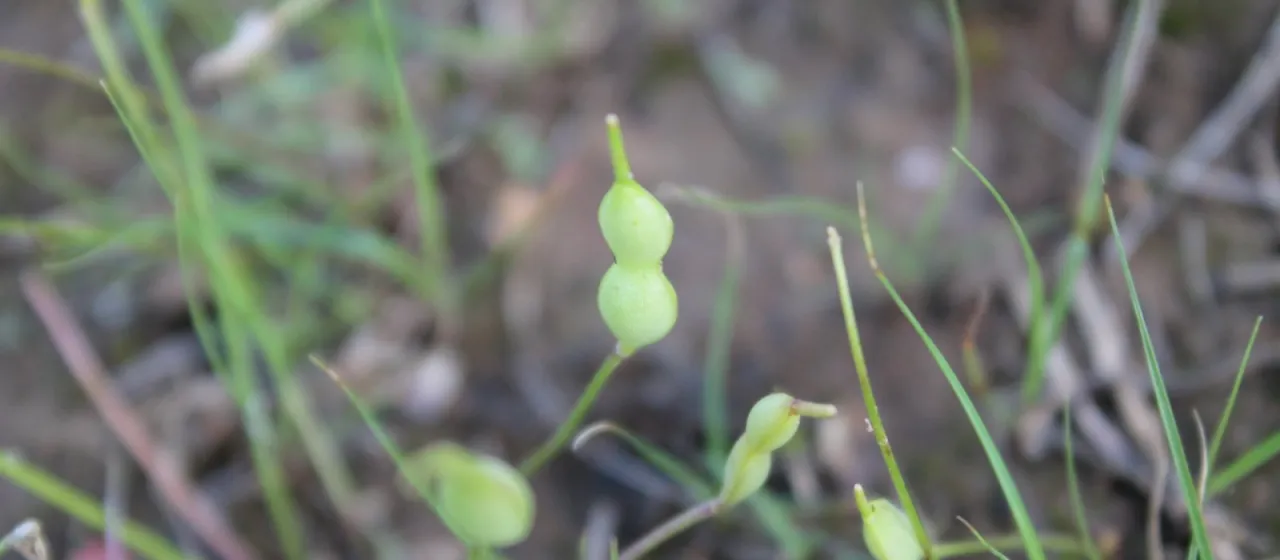
Botanically, the plant presents as a low-growing rosette with distinct flowers that typically bloom early in the season. The fruit is a silique, which often exhibits a twisted or knotted appearance at maturity, serving as a key diagnostic feature for the identification of this particular species within its genus.
Regarding cultivation requirements, the species demands high levels of sunlight and well-drained, alkaline soils. Agronomic efforts to propagate this plant rely on simulating its native ecological cycle, emphasizing the importance of moisture control and temperature regulation to ensure healthy seed germination and plant development.
Industrial or agricultural use of Leavenworthia torulosa is currently restricted to research purposes rather than commercial production. Pathological concerns mainly revolve around root rot pathogens that proliferate in poorly drained soils. Insect pests, including flea beetles, pose a recurring threat to the foliage and require management strategies to protect the plants during their sensitive growth phases.