
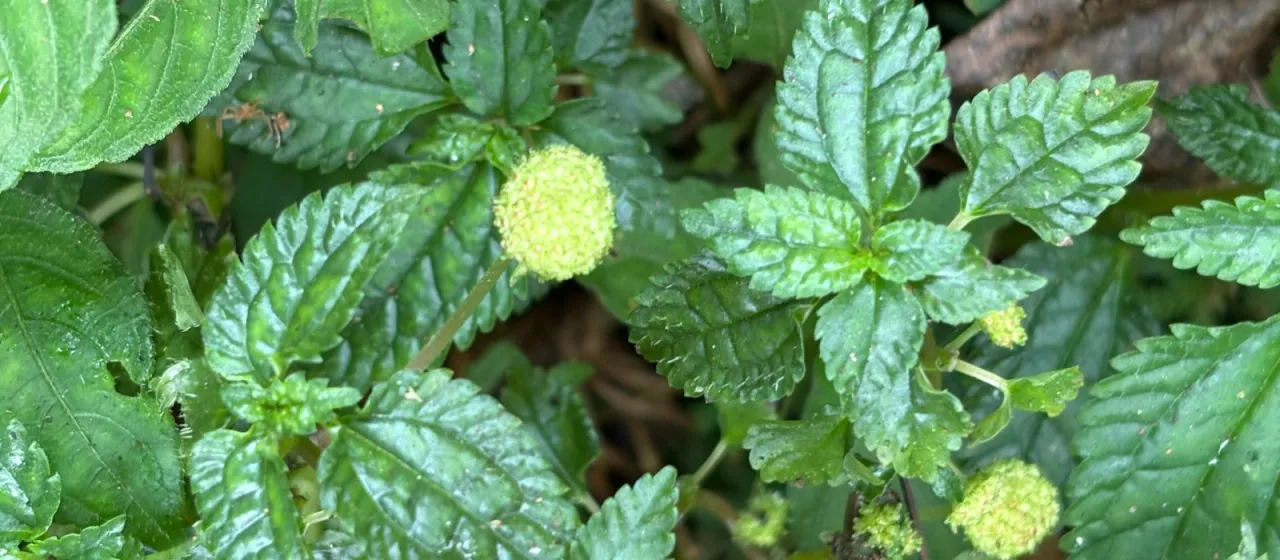
Description
Lecanthus peduncularis is a perennial herb belonging to the Urticaceae family. While not a conventional field crop, it is a significant species in specialized horticulture and ornamental landscape design, valued for its unique growth habit and ability to thrive in shaded environments where other plants might struggle.
The plant originates from the mountainous regions of tropical Asia, including the Himalayas and various parts of China and India. Its native habitat consists of humid, shaded rocky slopes and forest understories. This evolutionary background makes the plant particularly well-suited for controlled environments such as greenhouses and conservatory displays that mimic temperate or subtropical forest conditions.
Botanically, it is characterized by succulent stems and serrated, opposite leaves. Its most distinctive feature is the long, slender peduncle that elevates tiny clusters of flowers above the foliage. The root system is relatively shallow, which mandates a specific irrigation strategy to ensure consistent moisture without inducing waterlogging, which the species does not tolerate well.
Successful cultivation requires a well-draining, humus-rich substrate with a slightly acidic pH. In terms of climate, Lecanthus peduncularis demands high relative humidity and protection from direct solar radiation. Proper air circulation is a critical component of its management, as stagnant air significantly increases the risk of fungal proliferation within the dense foliage.
In terms of agricultural and horticultural use, it is primarily employed as a ground cover or as an accent plant in shade gardens. Typical pests include aphids and mites, which can be managed through integrated pest control. Diseases are primarily related to overwatering, such as root rot and powdery mildew, which can be mitigated by ensuring proper drainage and monitoring the plant’s moisture levels.