
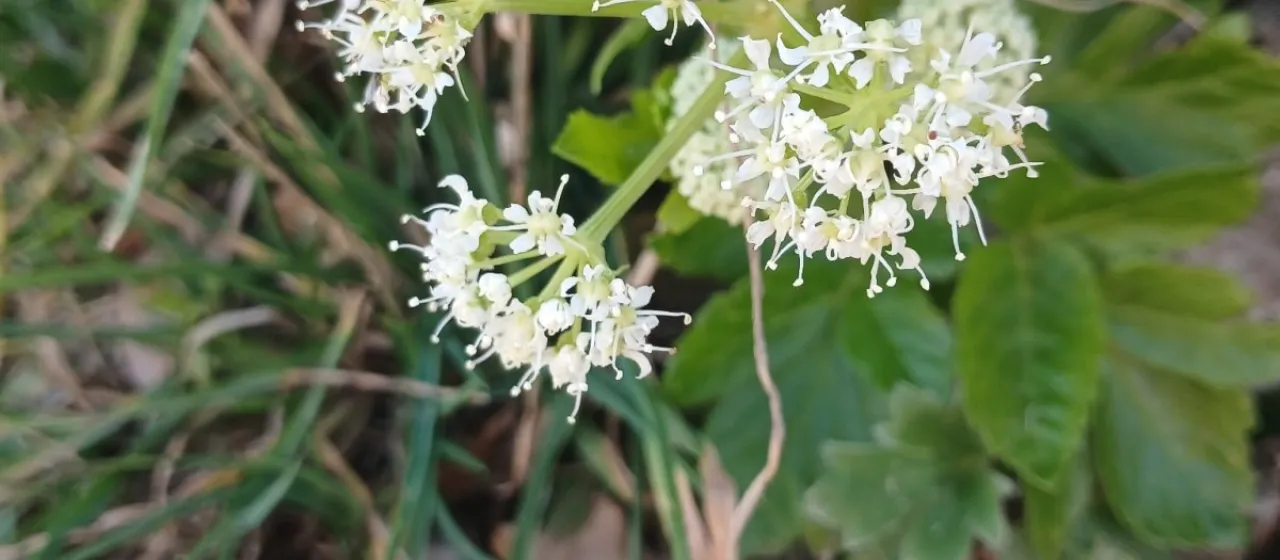
Description
Lecokia cretica is a herbaceous perennial plant belonging to the Apiaceae (parsley) family. While not a common commercial crop, it remains a subject of botanical interest and a valuable genetic resource for specialized medicinal herb production.
The native range of this species extends across the Mediterranean region, the Caucasus, and parts of the Middle East. It is typically found in temperate, forested environments, thriving in shaded or semi-shaded areas with rich, moist soil conditions. This habitat preference must be replicated in cultivation to ensure plant vigor.
Botanically, the plant is characterized by its compound leaves and typical umbellifer inflorescences. Its lifecycle includes a dormant winter period, followed by rapid spring regrowth facilitated by a robust root system, which allows the plant to sustain itself under fluctuating environmental conditions.
Cultivation practices require careful selection of sites with loose, organic-rich soil and adequate drainage. Because of its forest-floor origins, the plant does not tolerate full sun or extreme drought; thus, irrigation management and light shading are essential components of its successful agricultural management.
Economically, the plant is valued for its potential use in the herbal medicine industry. The chemical profile of its tissues suggests efficacy as an antiseptic and tonic agent. Research into its cultivation continues, aimed at optimizing yield and maintaining the biochemical stability required for pharmacological applications.
- Soil Type: Rich, loamy, well-drained
- Light Requirement: Partial shade
- Watering: Consistent moisture, avoid waterlogging
- Propagation: Seeds or root division