
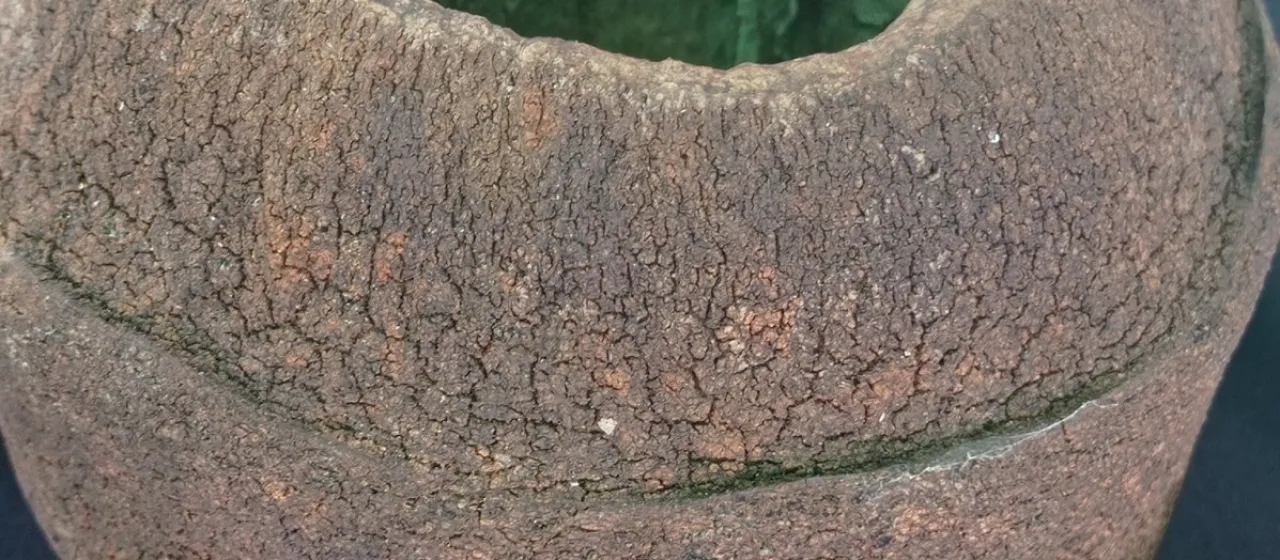
Description
The Monkey pot tree (Lecythis usitata) is a prominent tropical tree belonging to the family Lecythidaceae. Often known for its edible seeds, which are marketed as paradise nuts, this species plays a significant role in the biodiversity of the Amazon basin. It is a large-canopied tree that serves as both a source of high-value nutrition and high-quality timber.
Originating from the tropical rainforests of South America, the tree is primarily native to the Amazon and surrounding humid regions. Its cultivation is limited to equatorial climates that provide consistent warmth and high humidity throughout the year. It does not tolerate frost or cold stress, which dictates its distribution exclusively to tropical plantation zones.
Botanically, Lecythis usitata is characterized by its massive stature, reaching heights of up to 40 meters. The tree features leathery, elliptical leaves and produces woody, capsule-like fruits known as pyxidia. Inside these capsules, several seeds are protected by a hard shell. The complex structure of the flower requires specialized pollinators to ensure successful fertilization and fruit set.
In terms of agricultural management, the Monkey pot tree requires deep, fertile, and well-drained soils. Consistent rainfall or controlled irrigation is vital for growth, especially during the seedling stage. Pruning is typically performed to manage the height of the tree for easier harvesting and to remove diseased branches. Proper spacing in orchards is essential to prevent canopy competition and facilitate air circulation.
The tree is cultivated for its nutrient-dense seeds, which are highly regarded for their selenium content and fatty acids. Furthermore, the wood is extremely durable and is utilized in various construction sectors. Managing common pests, such as wood-boring insects and fruit-feeding larvae, is a critical component of successful agricultural production for this crop.
- High levels of selenium in seeds
- Thrives in humid tropical climates
- Excellent durability of timber
- Requires protection against tropical fungal diseases
- Complex pollination requirements for fruit production