
Description
Western Labrador tea (scientific name: Ledum columbianum, synonymous with Rhododendron columbianum) is a perennial evergreen shrub belonging to the Heath family (Ericaceae). This plant is highly specialized, typically found in damp, acidic soil environments such as sphagnum bogs and moisture-retentive forest floors.
The species originates from the Pacific Northwest regions of North America, where it thrives in coastal ranges and high-altitude wetland ecosystems. Its geographical distribution is closely tied to areas that provide a consistently cool and humid climate, which is essential for the plant's metabolic stability and overall longevity.
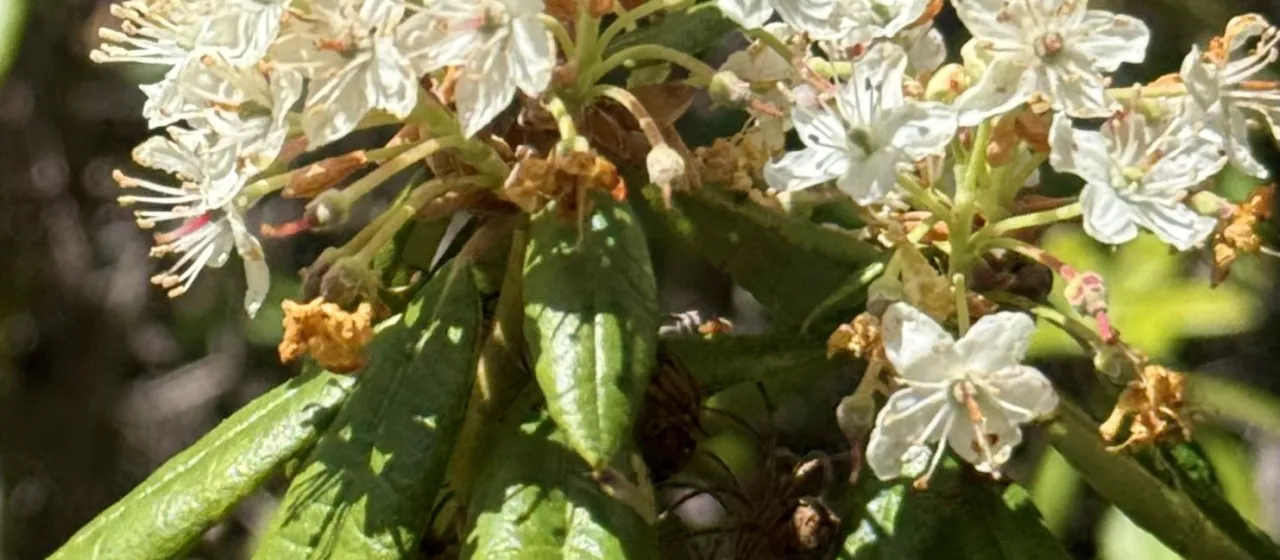
Botanically, the plant is characterized by its leathery, lanceolate leaves with a rust-colored pubescence on the undersides. It forms a dense, bushy structure, usually reaching a moderate height. The small, white flowers are arranged in terminal corymbs, appearing during the peak growing season. The entire plant emits a pungent, resinous aroma due to its high concentration of essential oils.
Agricultural and gardening requirements demand strict adherence to soil acidity, specifically a pH range between 4.0 and 5.5. Cultivation sites should be composed of acidic peat or specialized ericaceous compost. Consistent moisture is vital; however, the soil must be well-drained to prevent root suffocation. Providing filtered light or partial shade is recommended for commercial-scale growing.
Economic and practical uses for Western Labrador tea include:
- Harvesting as a source of phytochemicals for medicinal research and traditional herbal medicine.
- Landscaping in specialized zones that replicate boggy conditions.
- Utilization in ecological restoration projects for wetland habitats.
Common phytosanitary issues include root rot caused by pathogens such as Phytophthora, which thrives in waterlogged conditions. Pests like spider mites and scale insects can be problematic if the plant experiences heat stress or low humidity. Integrated pest management, focusing on maintaining optimal environmental conditions, remains the primary method for controlling infestations.