
Description
Labrador tea (Latin: Ledum groenlandicum) is a hardy evergreen shrub belonging to the Ericaceae family. It is a distinctive plant known for its aromatic leaves and ability to thrive in acidic, nutrient-poor environments, making it a unique interest for agricultural and botanical experimentation in cold climates.
The native range of this species covers the subarctic regions of North America, including Greenland, Canada, and the northeastern parts of the United States. It is typically found in damp forest ecosystems, muskegs, and bogs where the soil remains consistently wet and highly acidic throughout the growing season.
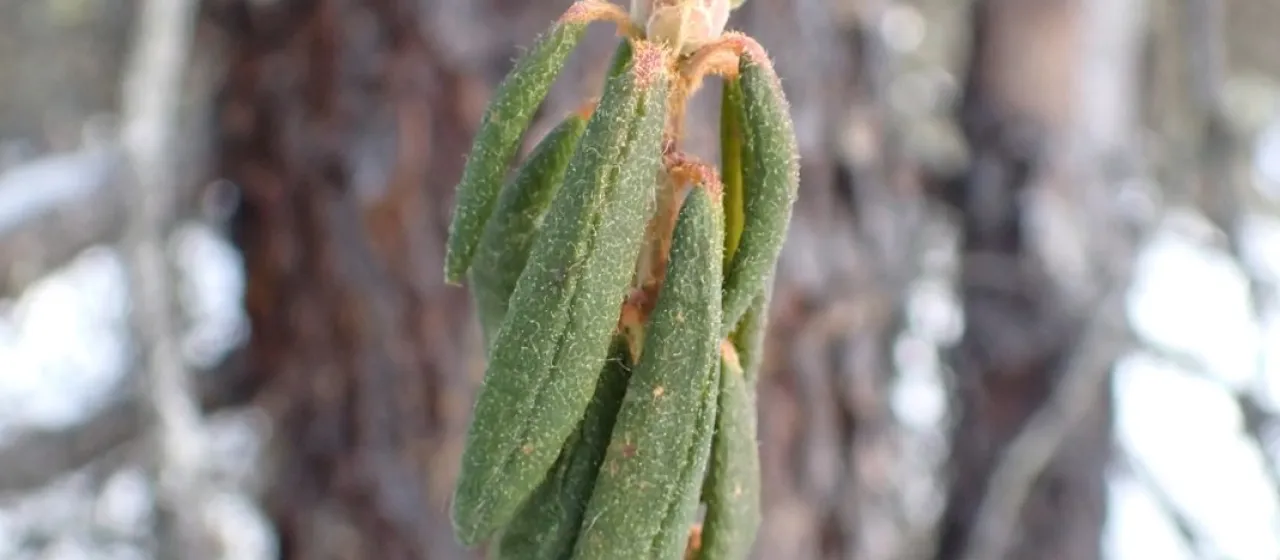
Botanically, the plant features leathery, elliptical leaves with a dark green surface and a characteristic rusty-brown, felt-like tomentum on the underside. Its white flowers bloom in late spring and early summer in clusters, adding aesthetic value to the plant while producing essential oils that are highly valued in herbal preparations.
Successful cultivation requires mimicry of its natural habitat: acidic, peat-based soil (pH 3.5–5.0) and constant moisture levels. It is crucial to avoid alkaline water and chemical fertilizers, as the plant is sensitive to salt build-up and excess nitrogen. Providing partial shade and thick mulch helps to regulate soil temperature and maintain the required humidity levels for healthy growth.
Labrador tea has significant economic and traditional value, primarily as a medicinal plant used for brewing herbal teas and as a landscaping shrub for bog-style gardens. Due to its unique chemical composition, it is also researched for potential therapeutic properties, including anti-inflammatory and antiseptic effects derived from its leaves.
- Excellent cold hardiness for northern zones.
- Preference for sphagnum moss or peat substrates.
- Susceptibility to drying out during peak heat.
- Limited competition with other crops due to specific soil needs.
Pests and diseases are generally minimal if the environmental conditions are optimized. Common issues include fungal leaf spots caused by poor air circulation or stagnant water, and occasional infestations by aphids or mites. Maintaining clean, well-draining surroundings and avoiding overhead watering during the heat of the day significantly reduces these risks.