
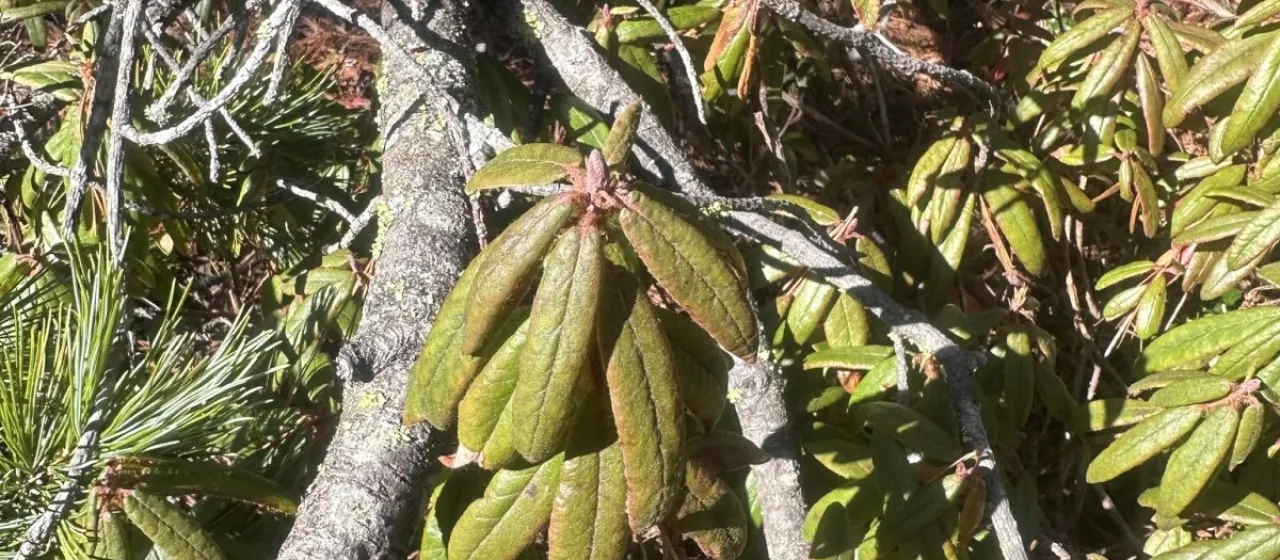
Description
Large-leaved marsh Labrador tea (Ledum macrophyllum) is a perennial evergreen shrub belonging to the Ericaceae family. Distinguished by its broader, more robust leaves compared to the common marsh Labrador tea, this species is highly valued for its concentration of essential oils and bioactive chemical compounds. The plant occupies a niche in both pharmacological research and specialized botanical cultivation due to its unique metabolic properties.
The plant originates from the northern and eastern regions of Asia, primarily flourishing in subarctic and temperate biomes. Its natural habitat is dominated by acidic, boggy soils, and wetlands, where it thrives in high-humidity conditions. Understanding these environmental origins is critical for its cultivation, as the plant acts as an ecological specialist that demands specific soil microclimates to remain productive.
Botanically, Ledum macrophyllum is characterized by a lignified stem and leather-like, aromatic leaves that act as a defense mechanism against harsh environmental factors. Its root system is shallow and relies heavily on symbiotic mycorrhizal fungi to absorb nutrients from poor, acidic peat soils. These morphological traits dictate the primary challenges in its agricultural management, particularly regarding root zone sensitivity.
The cultivation of this crop requires strict adherence to acidic soil conditions, typically maintaining a pH range between 3.5 and 4.5. The growth medium should consist of decomposed peat, pine bark, and sand to ensure optimal drainage while maintaining high moisture levels. In an agricultural setting, irrigation management is paramount, as the plants are susceptible to both dehydration and root rot caused by poor soil aeration.
- Maintaining optimal soil acidity levels (pH monitoring).
- Mulching with conifer needles to suppress weeds and maintain moisture.
- Integrated pest management targeting mites and scale insects.
- Selective harvesting to preserve the regeneration of young shoots.
The economic value of Ledum macrophyllum is primarily centered on the pharmaceutical industry, where its extracts are processed for medicinal use. Known for their antiseptic and expectorant properties, the active components must be extracted with precision to manage the naturally occurring toxicity of the plant. Safe agricultural practices and post-harvest handling are essential to ensure the quality and efficacy of the final raw materials.