Guinean leea
Leea guineensis G. Don
Description
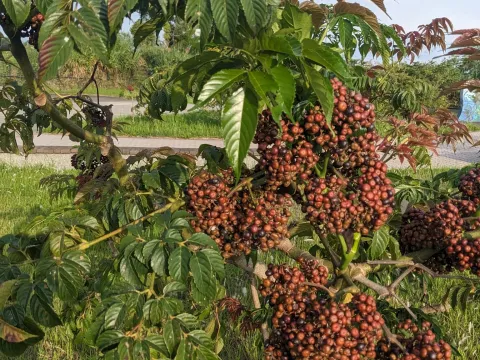
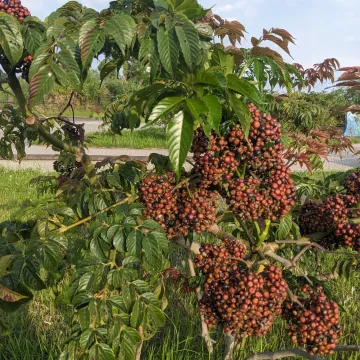
Guinean leea (Leea guineensis) is a tropical evergreen shrub belonging to the Vitaceae family. It is highly regarded in horticulture for its lush, pinnate foliage and the dramatic color transition of its leaves, which shift from bronze-red when young to a deep, glossy green at maturity.
The plant originates from the tropical regions of Africa and parts of Asia, where it thrives in humid, shaded forest environments. As a crop in ornamental horticulture, it is cultivated primarily in controlled environments such as greenhouses and conservatories, or as a high-end interior foliage plant in suitable climates.
Botanically, it is characterized by sturdy, woody stems and large, compound leaves that provide a dense, bushy appearance. The plant produces clusters of small, often reddish or yellowish flowers, which eventually develop into small, fleshy, dark-colored berries. Its root system is vigorous and requires adequate container space to sustain healthy top growth.
Cultivation requirements focus on mimicking its native tropical habitat. The plant demands warm temperatures, ideally between 20°C and 25°C, and cannot tolerate frost. Soil should be rich in organic matter, well-draining, and slightly acidic. Consistent humidity is crucial for maintaining foliage health, as dry air can cause leaf tips to brown and drop prematurely.
In terms of management and protection, the Guinean leea is susceptible to common indoor pests, particularly spider mites and mealybugs, which flourish in dry, stagnant air. Proper spacing and airflow are essential to prevent fungal issues such as root rot. Regular feeding with balanced liquid fertilizers during the growing season supports the development of its signature vibrant foliage.
Photo gallery