
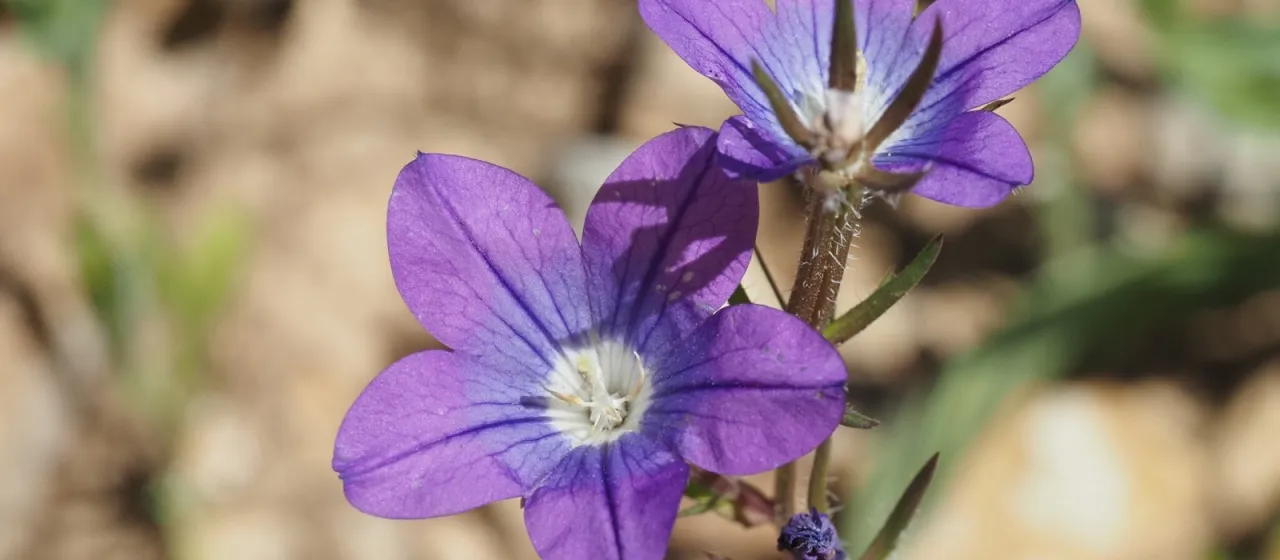
Description
Legousia pentagonia is an herbaceous annual plant belonging to the Campanulaceae family. Known in various regions for its distinct floral geometry, it serves as a niche crop in decorative agriculture and biodiversity conservation efforts. While not a staple food crop, its role in ecological balance and landscape design makes it a plant of interest for specialized growers.
The plant originates from the Mediterranean basin and parts of Southeastern Europe. Its natural range reflects a preference for temperate climates with distinct seasonal cycles. In cultivation, it thrives in environments that mimic its native sunny habitats, making it well-suited for regions with reliable warmth during the spring and summer months.
Botanically, the plant is characterized by a straight, often branching stem and alternate leaves. The most defining feature is its five-petaled, pentagonal flower, which ranges in color from deep violet to blue-purple. The root system is relatively shallow, requiring well-aerated soil to ensure proper nutrient uptake and stability throughout its short growth cycle.
Agrotechnical requirements are centered on proper site selection and soil preparation. Growers should ensure:
- Full sun exposure for optimal flower production.
- Well-draining, slightly loamy soil types.
- Consistent moisture levels during early development stages.
- Avoidance of heavy, water-logged soils that trigger root rot.
Regarding health management, Legousia pentagonia is prone to typical issues for the Campanulaceae family. Powdery mildew is the most significant disease risk, especially in environments with poor air circulation and high humidity. Pest control should primarily focus on aphids, which can infest the tender shoots and affect the overall vitality of the stand if left unchecked.