
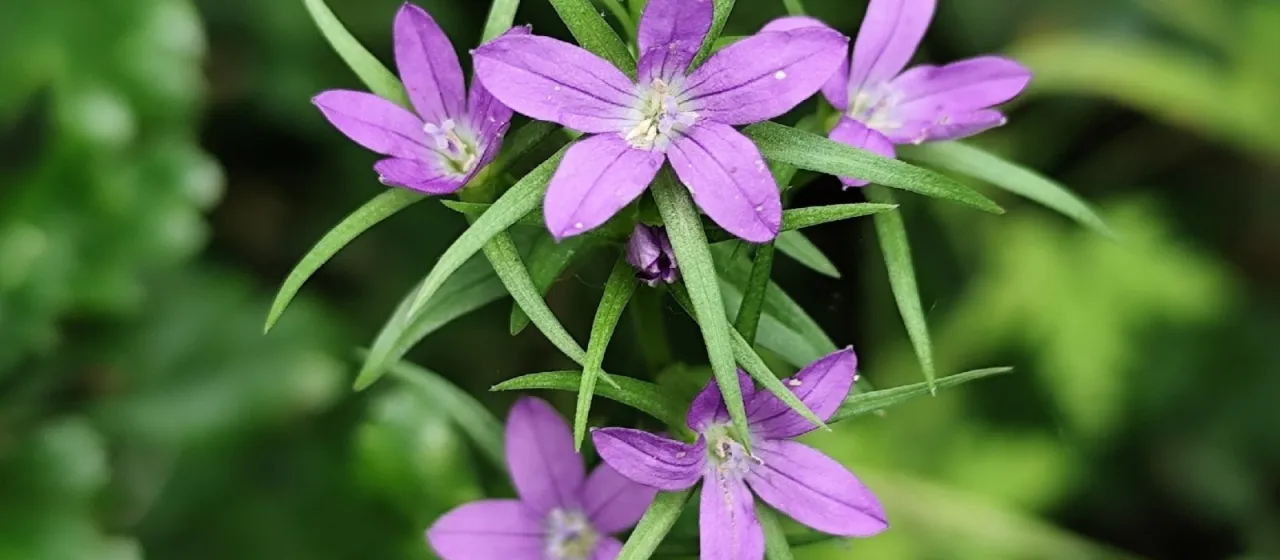
Description
Legousia scabra is an annual herbaceous plant species that belongs to the Campanulaceae family. While it is not typically categorized as a major commercial crop, it is a significant plant within ecological and botanical circles. Known for its distinct texture and resilient nature, it serves as an interesting subject for studies on Mediterranean flora and open-field cultivation.
The plant originates from the Mediterranean basin and surrounding regions, typically colonizing dry meadows, rocky outcrops, and disturbed ground. Its natural habitat dictates its evolutionary adaptations, allowing it to thrive in nutrient-poor soils where competition from more aggressive, moisture-demanding vegetation is limited.
Botanically, Legousia scabra is identified by its upright stem covered with fine, stiff hairs, which gives the plant a notably rough tactile quality. Its leaves are generally sessile and lanceolate, while its flowers feature the classic bell-like shape typical of the Campanulaceae family, appearing in vibrant shades of blue or violet during the peak growing season.
In terms of agricultural requirements, the plant demands high solar radiation and well-drained soil conditions. It is remarkably drought-tolerant, making it suitable for areas with low precipitation. Growers focusing on this species should prioritize light, sandy, or loamy soil types to ensure that the root system remains healthy and free from oxygen deficiency caused by waterlogging.
When managing Legousia scabra, one should be aware of potential biological challenges:
- Susceptibility to fungal pathogens such as powdery mildew in humid environments.
- Risk of root rot if drainage is insufficient during the seedling stage.
- Infestation by common field pests like aphids or spider mites, which require integrated pest management strategies.