
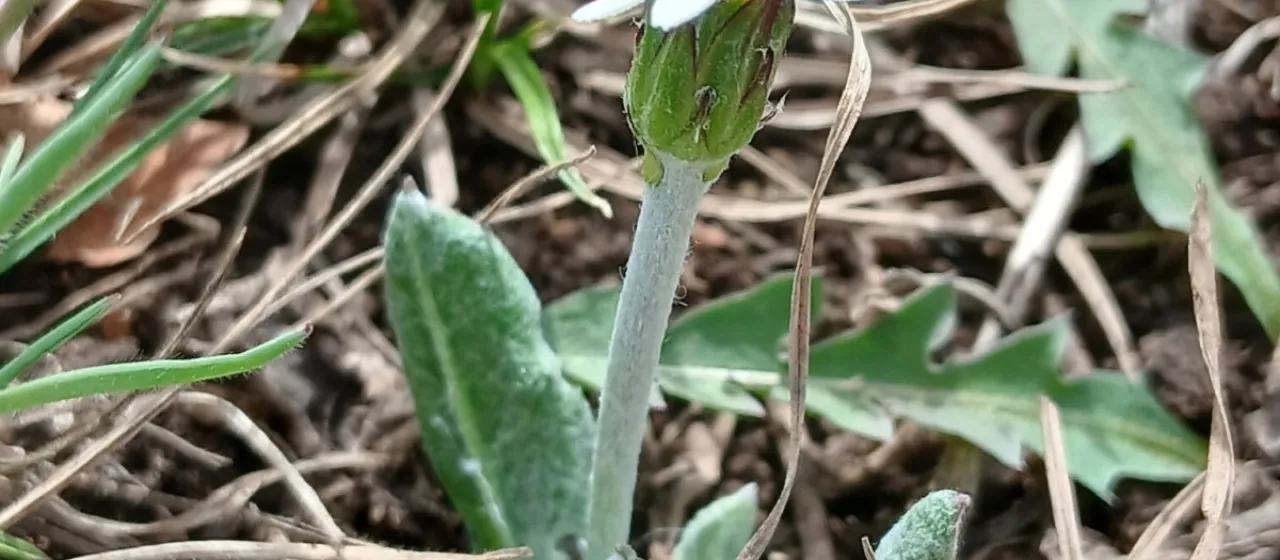
Description
Leibnitzia anandria is a perennial herb belonging to the Asteraceae family. This species is recognized for its unique biological plasticity, making it a subject of interest in both botanical studies and potential medicinal cultivation.
Originating from East Asia, including regions across Russia, China, and Japan, this plant has adapted to thrive in diverse environments ranging from mountain slopes to open meadows. Its natural distribution is a testament to its hardiness and ability to cope with fluctuating environmental conditions.
The botanical structure of the plant is defined by its rosette of basal leaves and a distinct dimorphic flowering system. It produces both closed (cleistogamous) flowers that self-pollinate and open flowers during the summer, ensuring reproductive success across different seasonal conditions.
Cultivation requires adherence to specific soil conditions, primarily prioritizing excellent drainage. Sandy or stony soils are ideal, as they mimic the plant's natural habitat and prevent root diseases often caused by waterlogging. It is relatively undemanding regarding intensive fertilization, preferring a steady, balanced soil environment.
Economically, the species is investigated for its chemical composition, which includes various bioactive compounds used in traditional medicine. Proper management involves protecting the crop from excessive humidity and ensuring weed control during the early establishment phase to allow the plant's rosette to dominate the ground space.
- High cold tolerance in native ranges.
- Specific dimorphic flowering cycle.
- Preferential requirement for well-drained soil.
- Low pest susceptibility when grown in dry conditions.