
Description
Leiosporoceros dussii is a fascinating botanical species representing the only genus within the family Leiosporocerotaceae. It is classified as an anthocerotophyte, or hornwort. While it is not an agricultural crop, it serves as a critical subject for evolutionary studies because it occupies a unique branch in the phylogenetic tree of land plants, distinct from other known hornwort groups.
The species originates from the humid tropical regions of the Caribbean and parts of Central America. It grows exclusively in specialized, high-humidity habitats such as damp soil, rocky crevices near water bodies, and deep forest understories. Because of its narrow ecological niche, it does not exist in any commercial agricultural capacity and is strictly a subject of interest for botanists and researchers.
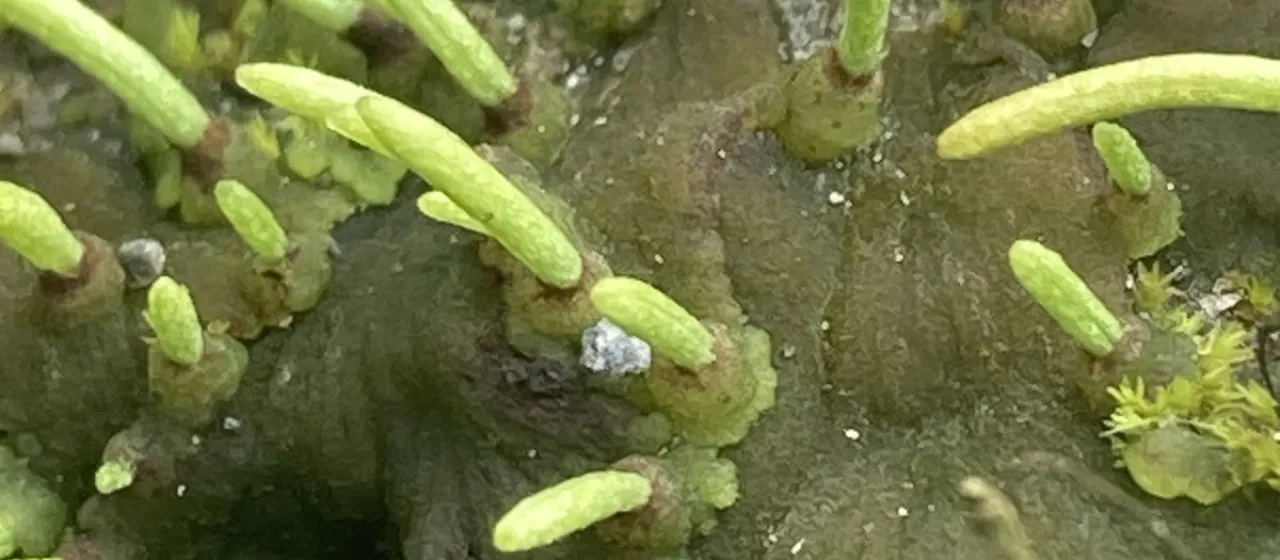
Botanically, the plant is characterized by a complex, thalloid body structure that frequently engages in symbiotic relationships with Nostoc cyanobacteria to fix nitrogen. Its sporophytes exhibit specialized anatomical features that differ from those of other hornworts, making it a key species for morphological comparative analysis. The plant is adapted to survive in low-light, high-moisture conditions.
Regarding its environmental requirements, the plant demands consistent high humidity and stable, moderate temperatures. Agricultural cultivation techniques are non-existent as the species is not edible, ornamental, or useful in traditional farming. Ex-situ conservation in botanical gardens requires strictly controlled climate chambers that mimic the stable moisture levels of tropical rainforest floors.
- Requires high atmospheric humidity.
- Thrives in deep shade environments.
- Symbiotic dependence on nitrogen-fixing bacteria.
- Sensitive to desiccation and soil chemistry changes.
The plant has no established хозяйственное (economic) use. Pests and diseases affecting the species are largely unknown in its natural habitat due to its remote locations and low biomass. Conservation efforts focus on preserving the fragile micro-ecosystems where these hornworts exist, as they are highly vulnerable to habitat fragmentation and climate-driven moisture depletion.