
Description
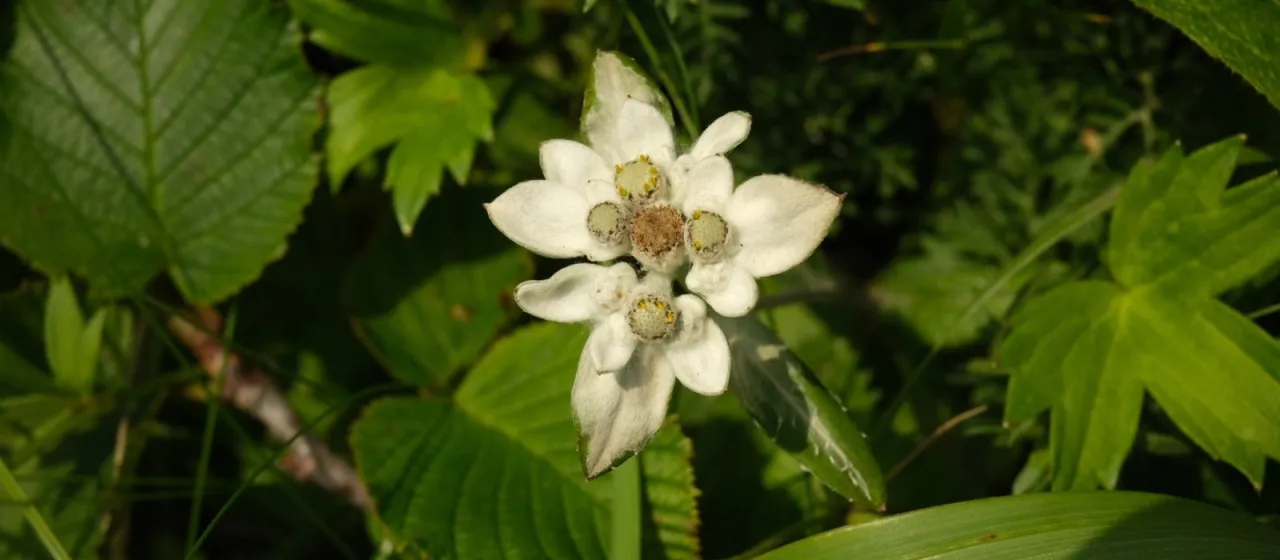
Leontopodium discolor is a perennial herbaceous plant belonging to the Asteraceae family. Known for its distinct appearance, this species is a fascinating member of the edelweiss genus, characterized by its dense tomentose (hairy) leaves and star-shaped bracts. It is highly valued in horticulture for its resilience and unique aesthetic qualities in alpine and rock garden settings.
The plant originates from the mountainous regions of East Asia, primarily the Korean Peninsula and northeast China. In its native habitat, it grows on rocky slopes and alpine meadows, where it has evolved to withstand high wind exposure, intense UV radiation, and significant seasonal temperature fluctuations. These evolutionary adaptations make it a hardy choice for well-drained, sunny locations in various temperate regions.
Botanically, Leontopodium discolor reaches a moderate height, typically between 15 and 30 centimeters. Its foliage is covered in white or greyish woolly hairs that serve to reduce transpiration and protect the plant from harsh conditions.
- The plant grows in compact clusters or rosettes.
- Inflorescences consist of small capitula surrounded by showy bracts.
- The growth cycle is relatively slow, characteristic of high-altitude flora.
Cultivation requires specific attention to soil composition and drainage. The plant thrives in poor, gritty, and alkaline soils that provide excellent drainage, as root rot is a common issue if the soil remains waterlogged. It requires a full-sun location with good air circulation to thrive. Fertilization should be kept to a minimum, as the plant is naturally adapted to nutrient-poor rocky environments.
In terms of agricultural and horticultural use, it is exclusively cultivated for ornamental purposes. It serves as an excellent focal point for rock gardens, gravel beds, and xeriscaping projects. Pests such as aphids and spider mites can occasionally affect the foliage during dry seasons, while susceptibility to fungal pathogens, such as root rot, is directly linked to improper soil moisture management during winter months.