
Description
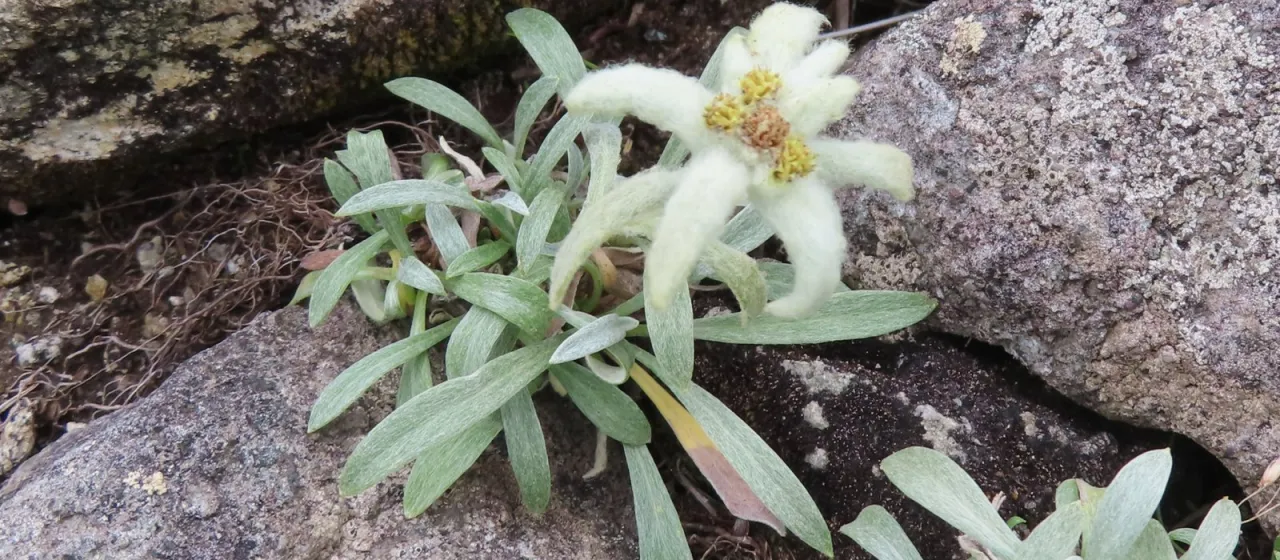
Faurie's Edelweiss (Leontopodium fauriei) is a perennial herbaceous plant belonging to the Asteraceae family. Known for its aesthetic appeal and resilience, this species is a distinct member of the Leontopodium genus, adapted to high-altitude environments. It is primarily recognized for its unique, woolly, silver-colored foliage and star-like bracts.
The species originates from the mountainous regions of East Asia, with a native range centered in Northern Japan. It typically inhabits rocky slopes, ridges, and alpine meadows. These habitats are characterized by harsh climatic conditions, including high solar radiation, strong winds, and well-drained, nutrient-poor, mineral-rich substrates.
Botanically, Leontopodium fauriei exhibits a compact rosette growth habit. The entire plant is covered in fine, dense trichomes (hairs) that act as insulation against extreme temperature fluctuations and excessive transpiration. The reproductive structures consist of small flower heads clustered together and surrounded by radiating, woolly bracts that form the iconic star shape.
Successful cultivation requires meticulous attention to drainage and lighting. The soil must be gritty and lean, ideally consisting of a mix of sand, rock chips, and a small amount of compost. Fertilization should be kept to an absolute minimum, as excessive nutrients encourage leggy growth and decrease the plant's natural hardiness. Full sunlight is mandatory for maintaining the compact form and foliage color.
Regarding its utility, the plant is exclusively grown for ornamental purposes, specifically in alpine gardens, crevice gardens, and rockeries. Common challenges include fungal diseases such as root and crown rot, which often occur due to poor drainage or high humidity around the base of the plant. Maintaining good air circulation is the most effective cultural practice to prevent common pests like aphids or fungal infections.