
Description
Leontopodium leontopodioides is a perennial herbaceous plant belonging to the Asteraceae family. Known for its resilience and unique aesthetic, this species is distinct from the European alpine edelweiss, showing significant tolerance to the continental climates of East Asia and central steppe regions.
Originating from the diverse landscapes of Mongolia, China, and Siberia, the plant has evolved to survive in extreme conditions. It typically inhabits rocky slopes, dry grasslands, and meadows where soil nutrients are scarce, demonstrating excellent adaptation to harsh environmental stressors like high winds and extreme temperature fluctuations.
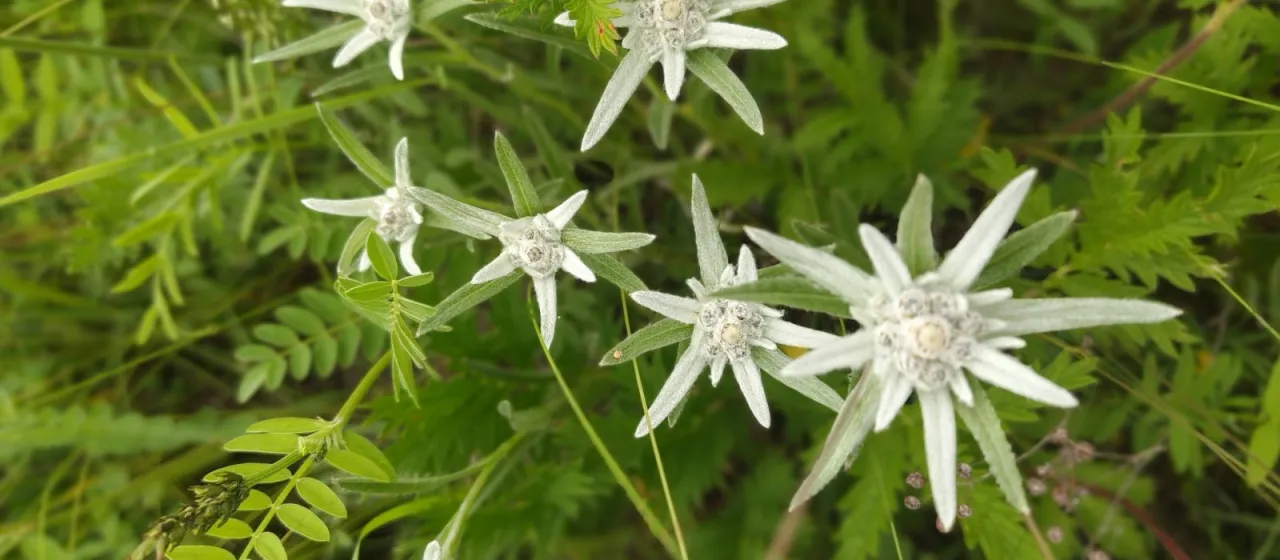
The botanical structure is characterized by silvery-white tomentose hairs covering both stems and leaves, which serve as an effective mechanism against desiccation. The flower heads are arranged in dense clusters surrounded by leafy bracts, forming a star-like shape. A robust taproot system allows the plant to anchor securely in shallow, stony soil substrates.
Agricultural success with this crop requires full sun exposure and extremely well-drained, lean soil. It is highly intolerant of waterlogging, which often leads to root collar rot. For seed propagation, cold stratification is essential to break dormancy, mimicking the natural winter cycle of its native habitat to ensure high germination rates.
Economically, the plant is primarily cultivated for the horticultural market and the herbal medicine industry. Due to its bioactive compounds, it is studied for antioxidant properties. When cultivated, the main phytosanitary risks include root rot during humid seasons and potential infestations by aphids, requiring careful monitoring of irrigation levels to maintain plant vitality.