
Description
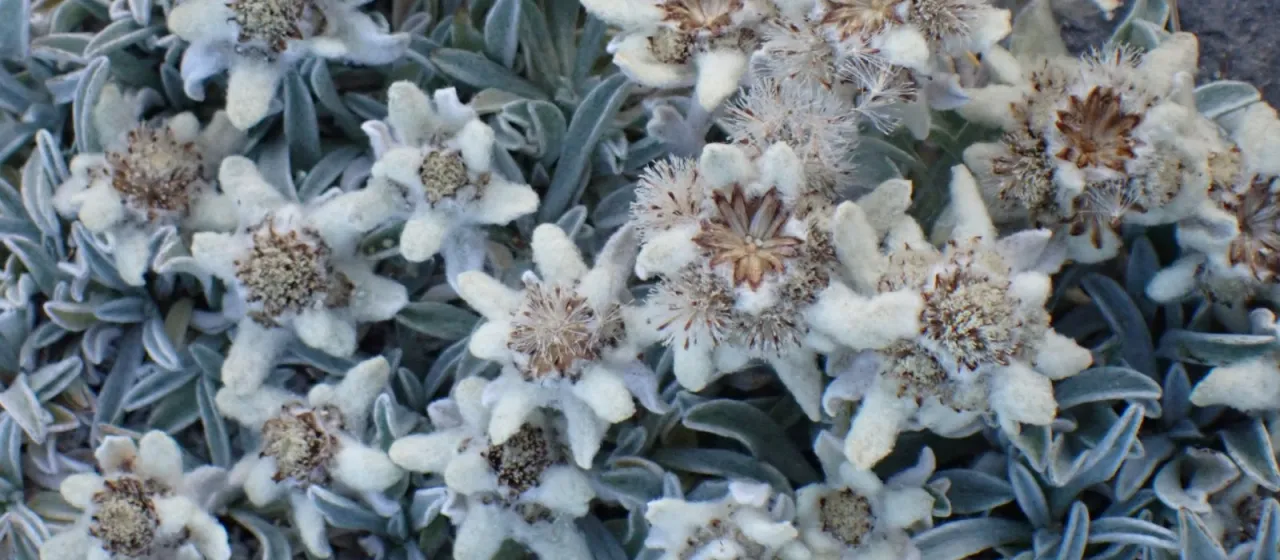
Leontopodium pusillum, commonly referred to as the dwarf edelweiss, is a perennial flowering plant belonging to the Asteraceae family. This species is celebrated for its compact size and high adaptability to extreme mountain environments, making it a prized specimen for alpine garden enthusiasts and collectors.
The plant originates from the high-altitude mountain regions of Central and East Asia, particularly China. It has evolved to thrive in harsh climates characterized by thin air, intense ultraviolet radiation, and rocky, nutrient-poor soil. These evolutionary adaptations define its unique morphology and physiological needs in a controlled garden setting.
Botanically, Leontopodium pusillum is characterized by its rosette of narrow leaves covered in dense, silvery-white hairs. This pubescence serves as a vital defense mechanism, reflecting intense sunlight and preventing transpirational water loss. The iconic inflorescences consist of small flower heads surrounded by woolly bracts arranged in a star-like pattern.
Cultivation requires strict adherence to alpine growing conditions. The primary requirement is excellent soil drainage, as the roots are highly susceptible to rot if exposed to excess moisture. A gritty, mineral-based substrate with a neutral to slightly alkaline pH is ideal. Full sun exposure is essential to maintain the plant's characteristic compact habit and silvery appearance.
Horticulturally, this species is used primarily for rock gardens, scree beds, and specialized alpine containers. In terms of health, the plant is relatively pest-free but can be sensitive to root rot and fungal pathogens during damp winters.
- Requires minimal fertilization to prevent leggy growth.
- Best propagated through seeds or careful division.
- Ideal for xeriscaping in mountain climates.