
Description
Glaucous motherwort (Leonurus glaucescens) is a perennial herbaceous plant belonging to the Lamiaceae family. It is recognized for its distinctive glaucous, grayish-green foliage, which provides a unique appearance compared to related species. As a commercial crop, it is highly valued in the herbal industry for its high content of alkaloids and flavonoids.
The plant originates from the steppe and forest-steppe regions of Eurasia. It thrives in temperate climates, demonstrating excellent adaptation to varying soil conditions. Because of its drought resistance, it is considered an ecologically sustainable crop that can be successfully grown in marginal areas where water resources for irrigation might be limited.
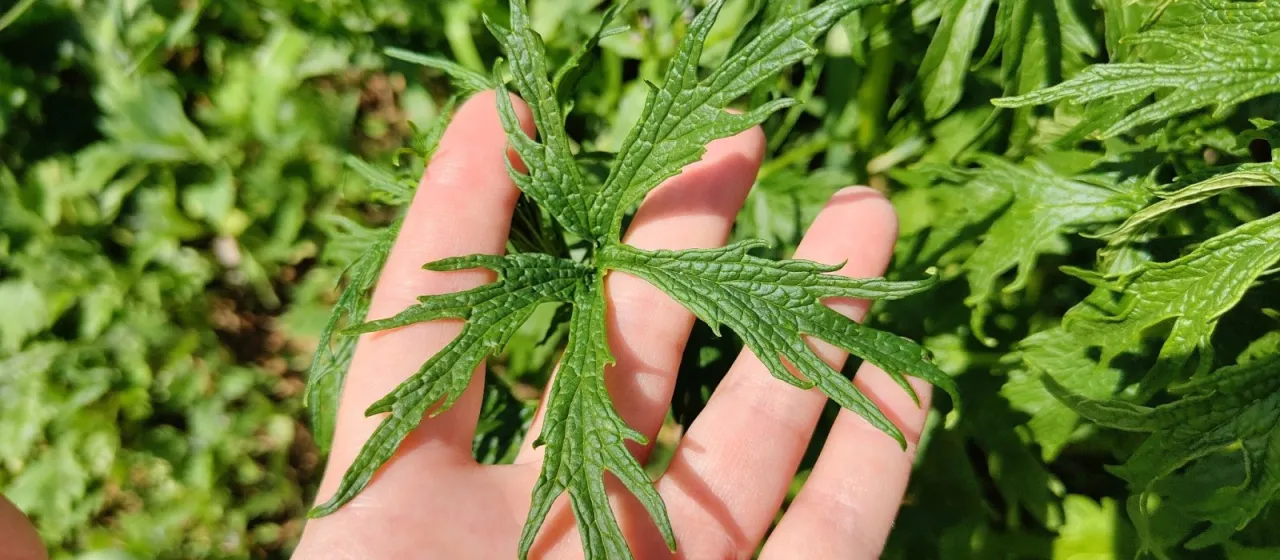
Botanically, the plant features a rigid, branched stem growing up to 1.5 meters tall. Its leaves are palmate and pubescent, which helps in reducing transpiration. The flowering stage occurs in summer, producing small pinkish-purple flowers organized in whorls. These structures are the primary source of the raw material used in the manufacturing of sedative and cardiovascular medications.
Agricultural requirements for Leonurus glaucescens emphasize the need for well-drained, fertile soil with a neutral pH level. Proper site selection is crucial to ensure maximum biomass production. Essential agronomic practices include consistent weed management during the establishment phase and balanced fertilization to promote leaf and stem growth, which are the main components harvested for pharmaceutical processing.
The primary economic value of glaucous motherwort lies in its pharmacological utility. Extracts from the dried herb are widely used in phytomedicine to treat hypertension and nervous irritability. Due to the increasing global demand for natural herbal remedies, the systematic cultivation of this species offers a stable and profitable opportunity for specialized agricultural enterprises.
- Vulnerable to powdery mildew during humid periods.
- Root rot can occur in poorly drained, compacted soils.
- Aphids are the most common insect pests requiring integrated control.