
Description
Japanese motherwort (Leonurus japonicus) is an herbaceous plant belonging to the Lamiaceae family. It is widely recognized as a significant medicinal crop, particularly in East Asian traditional medicine, due to its chemical profile containing alkaloids and flavonoids that are highly valued by the pharmaceutical industry.
The plant originates from East Asia, including regions across China, Japan, and Korea, where it thrives in temperate and subtropical climates. In agricultural settings, it requires a well-drained, nutrient-rich soil to reach its full vegetative potential. While it can tolerate a variety of environments, consistent moisture and protection from intense summer drought are crucial for optimal biomass production.
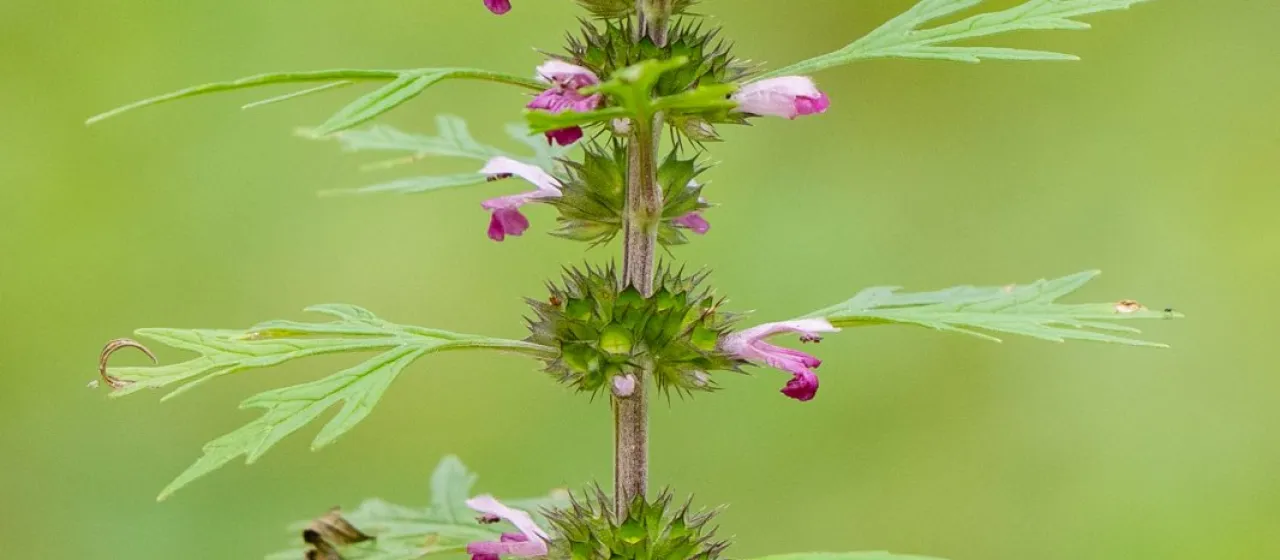
Botanically, this species is characterized by an erect, branched stem that can grow up to 1.5 meters in height. The leaves are distinctively palmately lobed, and the plant produces small, whorled flowers in shades of pink to purple in the leaf axils. The flowering phase is the most critical stage of the growth cycle, as it determines the chemical potency of the harvested herb.
Agronomic management involves selecting well-lit, sunny sites and maintaining precise soil pH levels to ensure nutrient availability. Sowing is typically carried out in early spring. Producers must prioritize weed control during the seedling stage, as the plant is sensitive to competition. Proper plant spacing is essential to encourage branching and increase the surface area of the medicinal raw material.
The economic utility of the crop lies primarily in the harvesting of the aerial parts and seeds for medicinal use, often used in tonics and therapeutic formulas. Farmers should remain vigilant against common agricultural pests like aphids and diseases such as powdery mildew or root rot. Implementing an integrated pest management strategy is highly recommended to protect the quality of the raw botanical materials.
- Soil prep: Deep plowing to ensure a loose root zone.
- Harvesting: Cutting stems when approximately 50-70% of flowers have opened.
- Drying: Air-drying in shaded, well-ventilated areas to preserve active compounds.