
Description
Lepidagathis cristata is a perennial herb belonging to the Acanthaceae family. Recognized for its medicinal potential, this plant has gained attention in botanical research for its phytochemical profile, which includes various bioactive compounds used in traditional medical practices across its native range.
The species is primarily native to the Indian subcontinent and parts of Southeast Asia. It typically thrives in open, sunny habitats, such as dry grasslands, rocky slopes, and arid forests. Its distribution is closely linked to tropical climates that feature distinct dry and rainy seasons, allowing the plant to demonstrate remarkable drought tolerance.
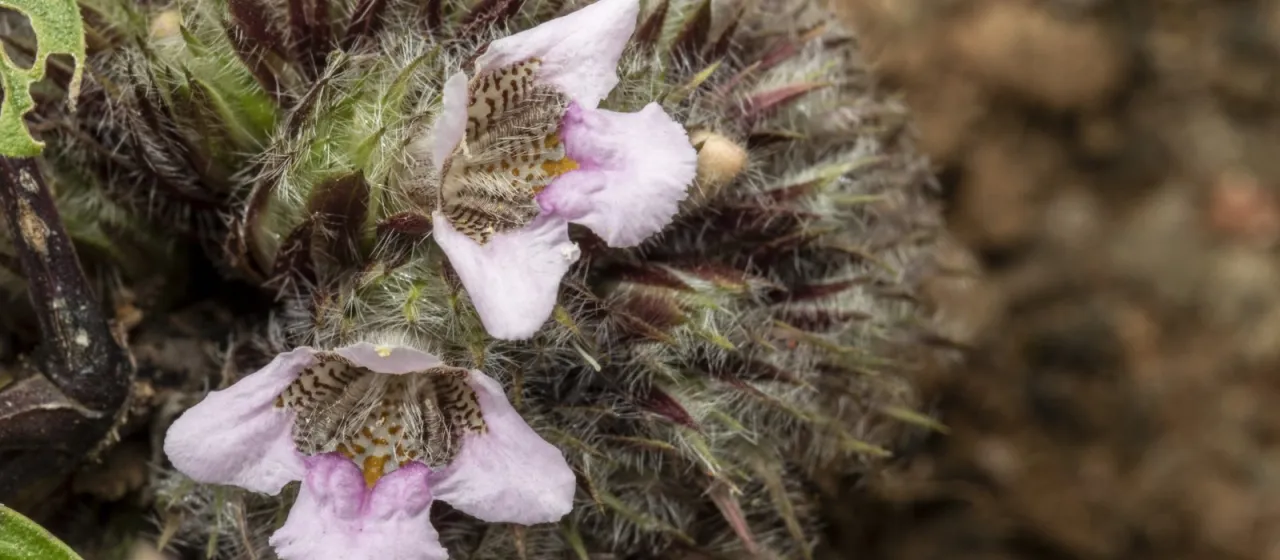
Botanically, Lepidagathis cristata is characterized by its prostrate or ascending stems and distinctive, dense, spike-like inflorescences. The flowers are encased in stiff, crested bracts, which provide a defensive structure. The leaves are typically lanceolate and may exhibit trichomes, which serve as a physiological adaptation to reduce water loss through transpiration.
In terms of agricultural requirements, the plant prefers well-drained, sandy or loamy soils with a neutral pH. It is a low-maintenance crop, provided that soil aeration is optimal and the plant receives full solar exposure. Over-watering is detrimental, as it promotes root rot and reduces the concentration of active medicinal compounds within the plant tissues.
The primary utility of this plant lies in its therapeutic applications. It is widely employed in ethnobotanical contexts for its wound-healing, antimicrobial, and anti-inflammatory properties. When cultivated, producers should monitor for common pests such as spider mites and aphids, while implementing integrated pest management strategies to maintain the purity and quality of the medicinal harvest.