
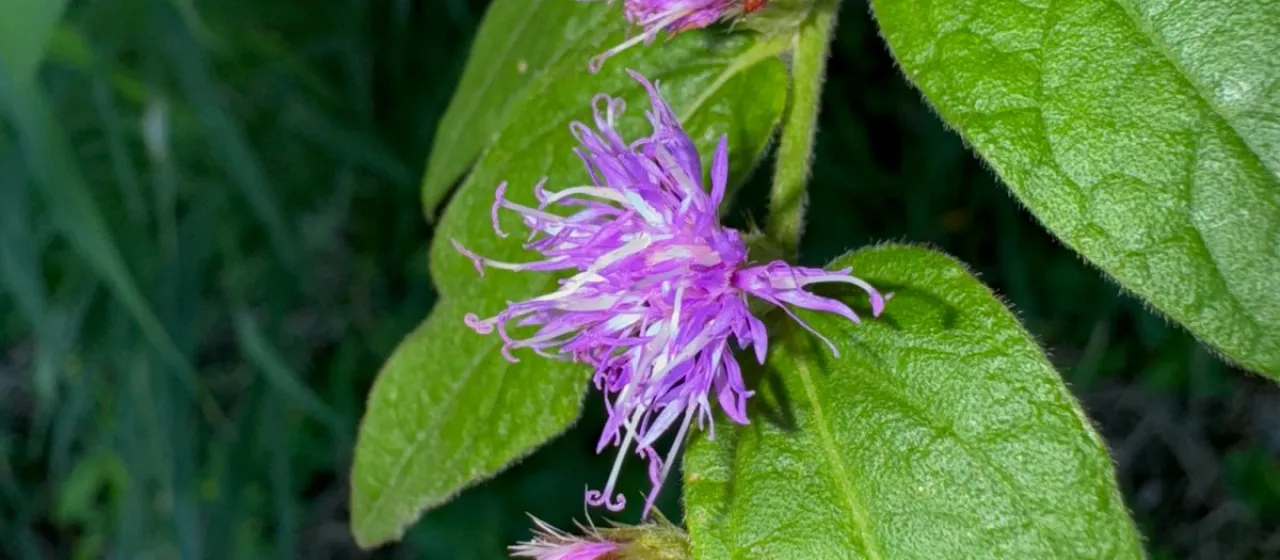
Description
Lepidaploa arborescens is a woody plant species belonging to the Asteraceae family. Historically linked to the genus Vernonia, it has been reclassified into the Lepidaploa genus, representing a distinct group of shrubs and small trees that are native to various tropical regions in the Americas.
The plant is native to the Caribbean and parts of Central and South America. It typically thrives in tropical environments, often found in secondary forest edges and open areas where soil drainage is efficient. Its distribution is largely dictated by climate patterns that provide consistent warmth and moisture throughout the growing season.
Botanically, this species is defined by its robust woody stems and lanceolate leaves that often feature fine trichomes. The inflorescences consist of small, clustered flower heads typical of the Asteraceae family, which provide a vital resource for pollinators, playing a significant role in maintaining the local ecosystem balance.
Cultivation requirements for Lepidaploa arborescens include well-drained, fertile soil and full sun exposure. It is crucial to prevent waterlogging, as the root system is sensitive to anaerobic conditions. Proper spacing is required to ensure adequate airflow, which helps in preventing the development of fungal pathogens and promoting healthy, vigorous growth.
- Requires well-drained, aerated substrates.
- Thrives in full sun or light partial shade.
- Benefits from moderate, regular irrigation.
- Requires protection from extreme cold or frost.
The agricultural and practical uses for this plant include ornamental landscaping in tropical climates and potential roles in soil restoration projects. Potential pests include aphids and mites, which can be managed through sustainable integrated pest management practices. Diseases are typically limited to leaf spot or root rot, primarily occurring if moisture management is not strictly controlled.