
Description
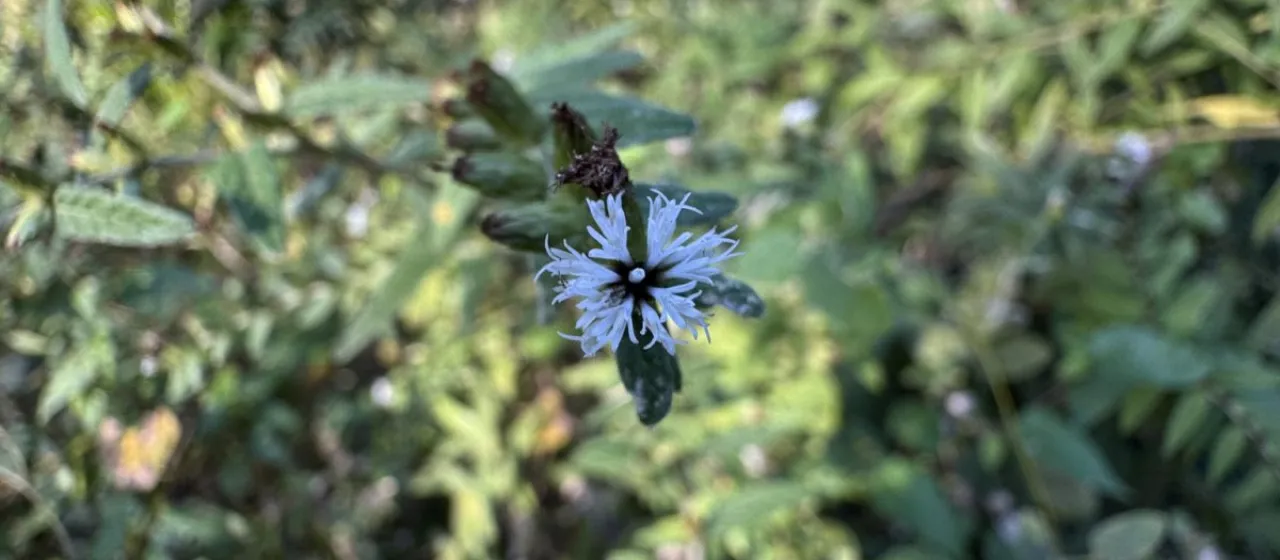
Lepidaploa sericea is a perennial herbaceous plant belonging to the Asteraceae family. Previously classified under the genus Vernonia, this species is now recognized as part of the Lepidaploa genus. The plant is botanically distinguished by its unique silky trichomes covering the leaves and stems, which is a key adaptive trait for survival in its native environment.
The origin of this species is traced back to South America, with a significant distribution range in Brazilian savannas and open scrublands. It is well-adapted to tropical climates characterized by warm temperatures throughout the year. The plant thrives in environments where sunlight exposure is high, making it a robust component of its local ecosystem.
Botanically, Lepidaploa sericea exhibits a shrub-like habit with erect stems and lanceolate foliage. Its inflorescences are typical Asteraceae capitula, often appearing in vibrant purple shades. The plant's root architecture is designed for efficient water uptake, allowing it to maintain metabolic processes even during dry spells, which is a significant trait for agricultural resilience.
For successful cultivation, the crop requires well-drained, slightly acidic to neutral soils. Agronomic management involves careful monitoring of soil moisture, as waterlogging is the primary cause of root rot. Fertilizer application should focus on a balanced NPK ratio during the vegetative phase to encourage biomass production, followed by light maintenance once the plant is established.
- Requires 10–12 hours of sunlight daily for optimal flowering.
- Prefers sandy loam soil textures for proper root development.
- Susceptible to aphid infestations in humid conditions.
- Benefits from moderate mulching to retain soil fertility.
The economic interest in Lepidaploa sericea is largely driven by its pharmacological potential, as research continues to identify specific secondary metabolites within its tissues. Furthermore, it is studied for its role in sustainable land management and soil stabilization in tropical regions. Common pathogens include leaf-spot fungi, which can be managed through crop rotation and proper plant spacing.