
Description
Lepidium auriculatum is a perennial herbaceous plant belonging to the Brassicaceae family. It is recognized for its unique foliage structure, where the leaves exhibit auriculate (ear-like) appendages at the base. This species is an interesting specimen in agricultural botany, demonstrating resilience in various ecological niches where it has naturally established itself over time.
The plant originates from the temperate regions of South America, specifically common in landscapes throughout Argentina and Uruguay. Its natural distribution is linked to grasslands and open terrain where it competes well with native flora. Because of its native environment, the species has evolved to withstand seasonal fluctuations in temperature and moisture levels, contributing to its overall robustness.
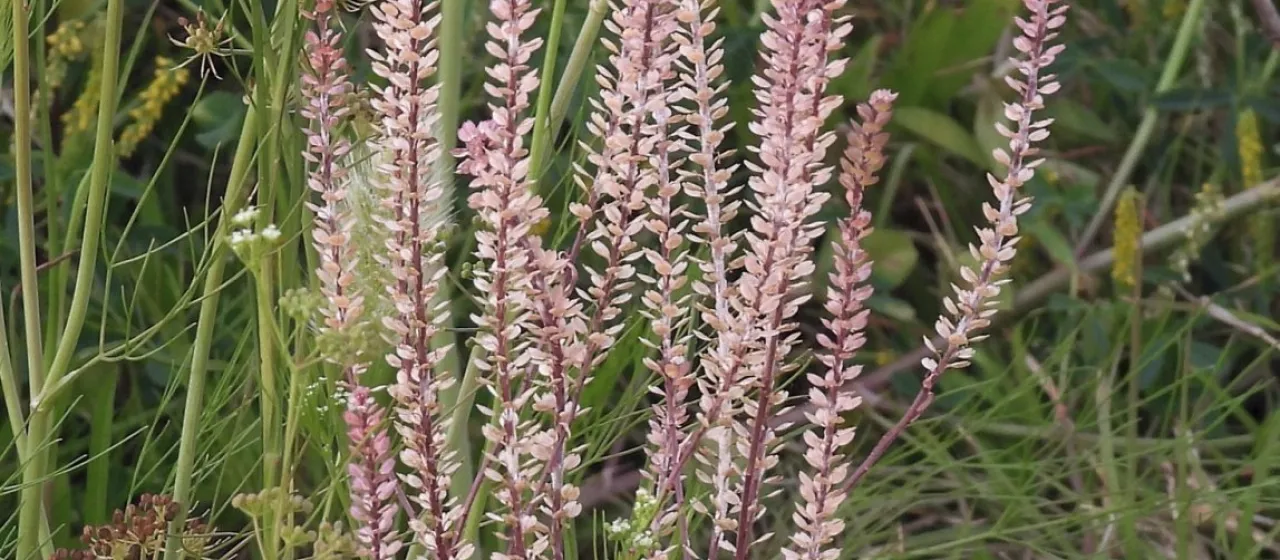
Botanically, Lepidium auriculatum consists of a sturdy, branching stem system and a deep taproot that allows it to access soil moisture efficiently. The leaves are typically simple and alternate, while the inflorescence consists of dense racemes bearing small, white-to-yellowish flowers. After pollination, the plant develops small silicles (seed pods) that are characteristic of the Lepidium genus.
For successful cultivation, Lepidium auriculatum requires well-drained soils, preferably loamy or sandy-textured, with a neutral pH. It thrives in open, sunny locations with moderate moisture availability. Agricultural management should prioritize proper seedbed preparation and early-stage weed control to minimize competition, as the initial seedling growth can be relatively slow before the plant becomes well-established.
Key areas of economic and agricultural utilization include:
- Integration into grazing systems to provide forage diversity.
- Restoration ecology, helping to stabilize disturbed soil areas.
- Experimental use in biochemical research regarding the lipid profile of cruciferous seeds.
Common pests include flea beetles and various species of weevils that target the leaves and reproductive structures of the plant. Pathological issues often involve fungal infections like downy mildew, especially in regions with high humidity or poor air circulation. Integrated pest management (IPM) practices, such as crop rotation and timely scouting, are essential for maintaining healthy stands.