
Description
Lepidium bipinnatifidum is a herbaceous plant belonging to the Brassicaceae family. While primarily recognized in its wild form, it is studied for its agricultural potential, particularly in regions where soil conditions are too challenging for traditional cereal or vegetable crops.
The plant originates from arid and semi-arid regions, showcasing significant resilience to environmental stressors. Its natural range allows it to flourish in soils that are often characterized by high salinity or poor nutrient density, making it a subject of interest for sustainable land management.
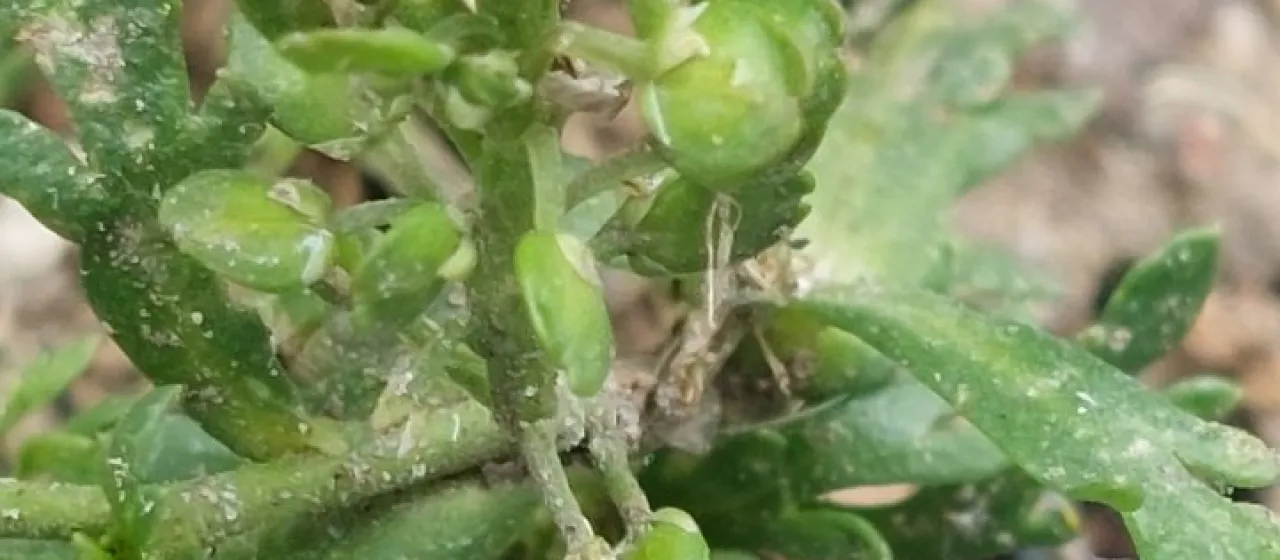
Botanically, the species is distinguished by its bipinnatifid leaves and characteristic inflorescences. These structures are typical of the Lepidium genus, providing the plant with efficient photosynthetic area and reproductive capabilities that allow it to propagate successfully in disturbed or difficult environments.
Regarding climate and soil, this plant thrives in full sun and well-draining soil conditions. While it is naturally drought-tolerant, agricultural cultivation requires consistent moisture management to maximize biomass production. It does not require intensive fertilization, making it a low-input option for certain farming systems.
The agricultural and economic utility of Lepidium bipinnatifidum is primarily focused on its use as a cover crop or a forage plant. It can also serve as a potential source for secondary metabolites. Typical pests include crucifer-specific insects, which can be managed through standard integrated pest management practices to maintain crop health.