
Description
Hairy pepperwort (Lepidium hirtum) is a herbaceous plant species belonging to the Brassicaceae family. Known in botany for its distinct pubescence, this plant is increasingly recognized for its ecological resilience and potential as a niche agricultural crop within the Lepidium genus, which includes various edible cress species.
The plant is native to the Mediterranean region and parts of Southern Europe, where it thrives in rocky, well-drained environments. Its natural habitat is typically characterized by high sun exposure and temperate climates, which has contributed to its adaptation to a wide range of growing conditions throughout the European continent.
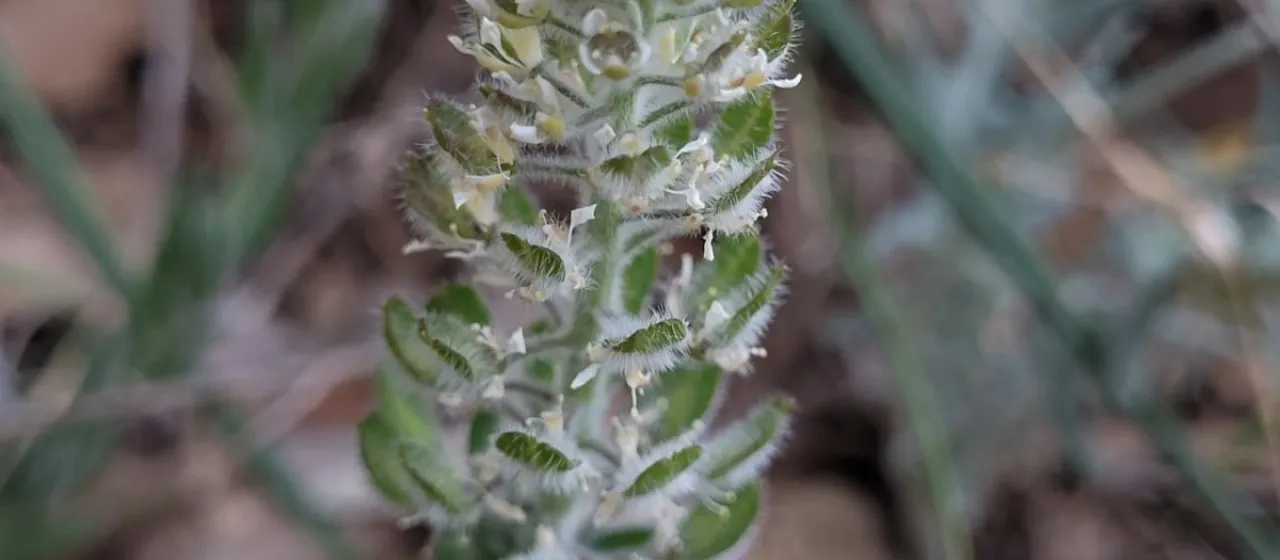
Botanically, Lepidium hirtum is defined by its stiff, hair-like trichomes covering its stems and leaves. It forms a rosette of basal leaves, followed by terminal racemes of small, white, cross-shaped flowers. The plant's deep taproot system is an adaptation that helps it persist in shallow soils, contributing to its survival in competitive or marginal agricultural landscapes.
Agricultural requirements include well-drained, neutral to alkaline soil types to prevent root rot. It is not overly demanding in terms of nitrogen fertilizers, which allows for cultivation in more conservative farming systems. Standard practice involves sowing in early spring, ensuring adequate spacing to facilitate air circulation and minimize the humidity buildup that leads to fungal outbreaks.
Uses for the plant include its application in gourmet food as a spicy, nutrient-dense herb and for its essential oil content. Typical pests include flea beetles and caterpillars, while common diseases such as clubroot (Plasmodiophora brassicae) may occur in poorly drained conditions. Sustainable crop management requires careful monitoring and the removal of infected residues to ensure long-term productivity.